

If you weigh 60 kg, the amount of body weight transmitted to the ground while standing on both feet remains 60 kg regardless of your posture.
Even though your actual body weight does not change, many patients tell us after treatment, “My body feels so much lighter!”
Why does this happen?
Why does imbalance cause muscles to become tense while standing?
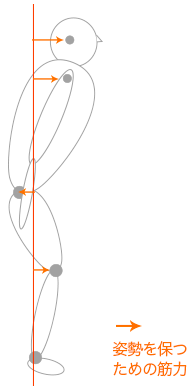
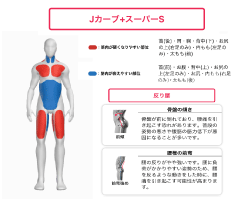
Please take a look at the illustration below.
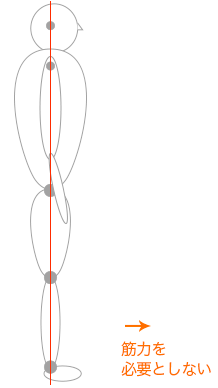
When each part of the body is aligned close to the body’s central axis, the distance between each center and the axis is shorter. As a result, the surrounding muscles do not need to generate excessive force to maintain balance and can remain more relaxed.
When each part of the body is displaced away from the central axis, the distance between the center of that body segment and the axis becomes greater. The surrounding muscles must then work harder to maintain balance, creating greater muscle tension.
In other words, when the body is imbalanced, muscles are constantly tightening and pulling against one another simply to maintain posture.
What happens if you perform everyday movements or intense exercise in this state?
The answer is clear.
Not only can this contribute to fatigue and pain, but a tense body without a stable axis may also lead to reduced sports performance and a higher risk of injury.
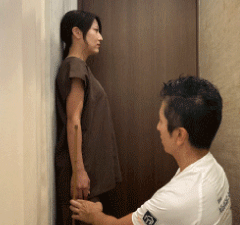
Our posture analysis system uses advanced AI technology to clearly quantify postural imbalances.
High-precision AI makes it possible to scientifically measure your body posture and movement patterns.
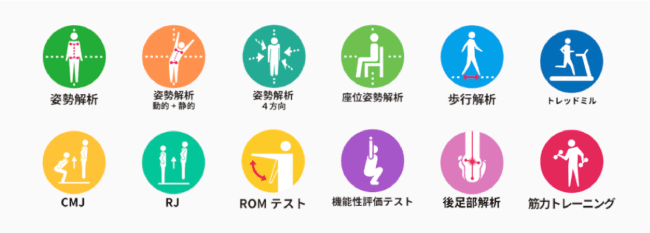
Various analysis menus allow us to convert your posture and movement patterns into detailed data.
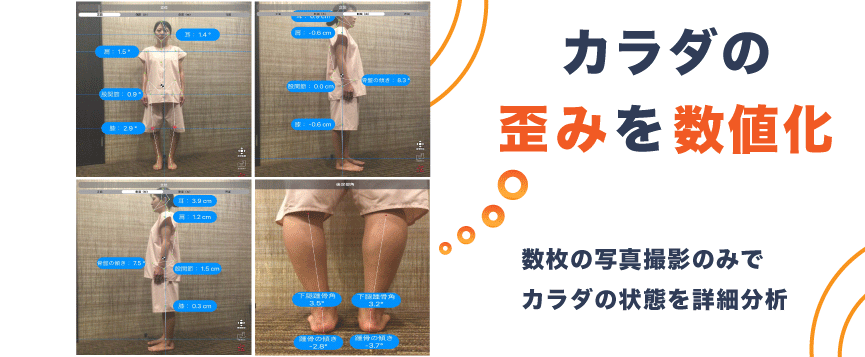
Based on your current posture, we can estimate which muscles are likely to become tight, which areas may be contributing to pain, and how your posture may change over time.
This makes it easier to explain the treatment plan and expected changes, while also helping patients better understand their own physical condition.
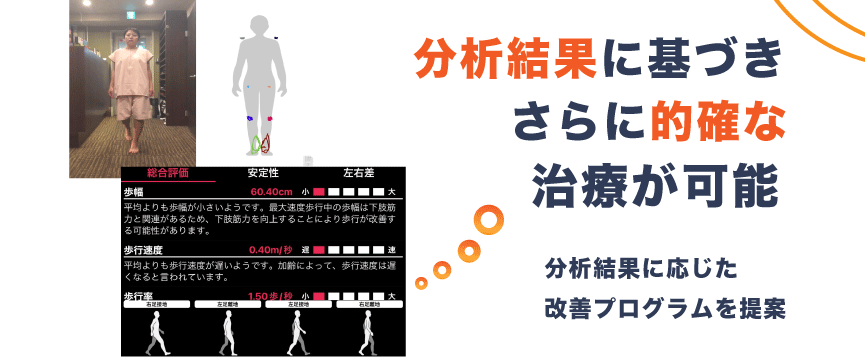
This analysis helps us determine which muscles should be relaxed and which muscles should be strengthened.
Understanding your own body makes it easier to identify what needs to be improved.
It also allows us to provide more precise treatment and recommend appropriate training and stretching methods based on your individual results.
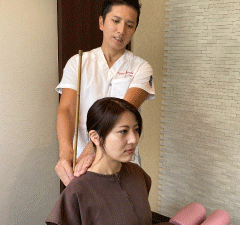
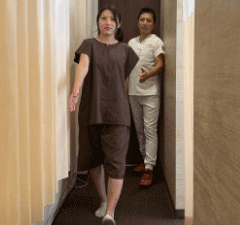
At our clinic, evaluations may include posture analysis, seated posture analysis, rearfoot analysis, and gait analysis.
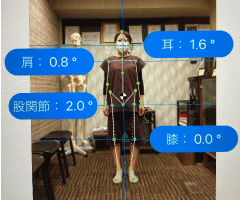
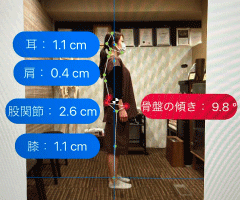
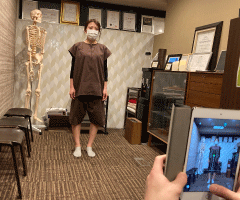
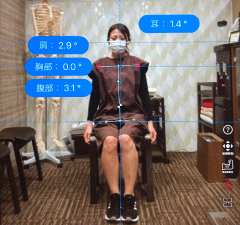
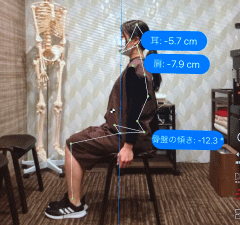
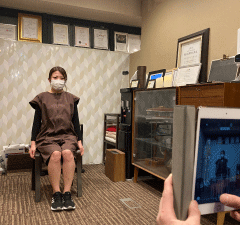
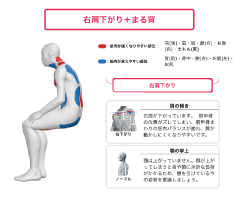
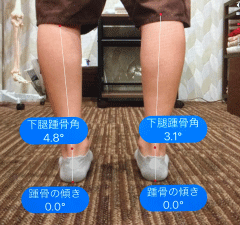
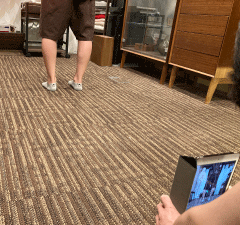
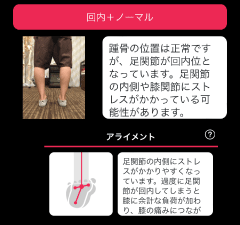
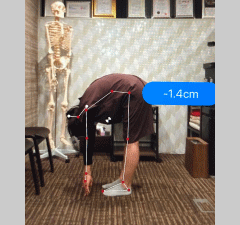

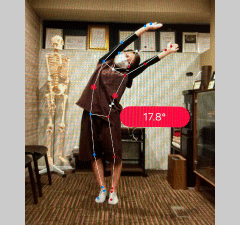
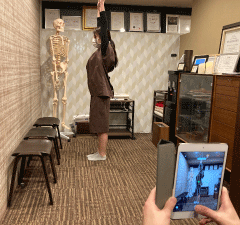
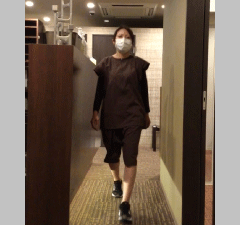
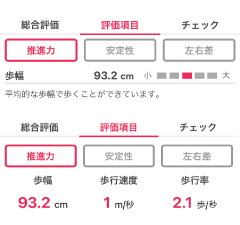
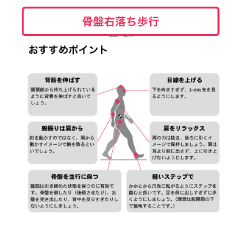
Through this analysis, we can identify how specific physical issues may be affecting your posture.
Based on your current posture, we can estimate areas where muscles may become tight, areas that may contribute to pain, and how your posture could change over time.
This makes treatment plans and expected changes easier to explain and helps patients understand their own physical condition more clearly.
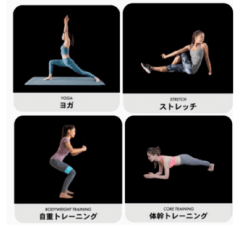
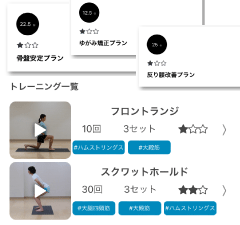
The analysis helps us determine which muscles should be relaxed and which should be strengthened.
By understanding your own body, you can better recognize what needs to be improved.
This also enables us to provide more precise treatment and recommend appropriate training and stretching methods based on your results.
Posture and movement patterns are extremely important.
However, it can be difficult to recognize your own posture objectively, and imbalances and movement habits vary significantly from person to person.
Body balance can be related to many types of physical discomfort.
It is influenced not only by muscles and bones, but also by overall muscle tension.
When the body remains tense, breathing may become shallower and overall physical function may be affected.
If improving your body balance can help reduce the concerns you are experiencing, that can be highly beneficial for you.
As professionals, we are also committed to carefully analyzing your condition and explaining the results clearly.
Our goal is to help resolve your concerns and support a healthy, well-balanced body.
For a more active and fulfilling life,
we continue to improve our knowledge and skills so that we can provide the best possible support to every patient.
If you have any concerns about posture, movement, or body balance, please feel free to consult us, even if the issue seems minor.
At our clinic, we can address posture, movement patterns, body misalignment, and imbalance using a variety of treatment approaches.
We evaluate dynamic alignment to identify the muscles and movement patterns that may be contributing to discomfort.
Rather than focusing only on relieving pain, we also aim to improve movement errors that may be contributing to the underlying problem.
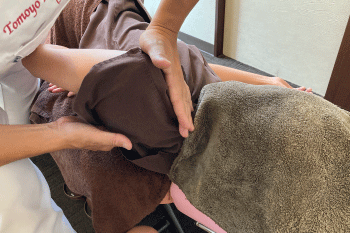
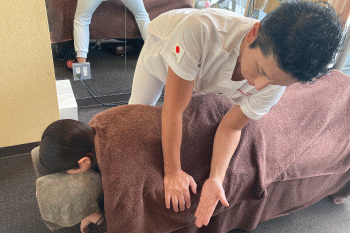
At our center, we work to reduce body misalignment, restore balance, and help distribute body weight more evenly across both feet.
As the body’s central axis becomes more stable, unnecessary muscle tension throughout the body may decrease, helping the body feel lighter and easier to move.
When muscle tension is reduced, breathing can become deeper and circulation may improve, supporting better overall physical condition.
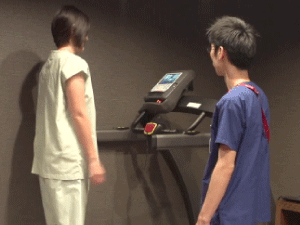
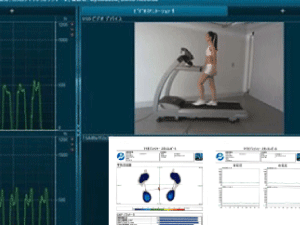
By walking on a treadmill equipped with approximately 20,000 sensors, we can measure foot pressure, changes in the center of gravity, and differences in weight distribution between the left and right sides.
Using two cameras also allows you to visually check your own walking posture.
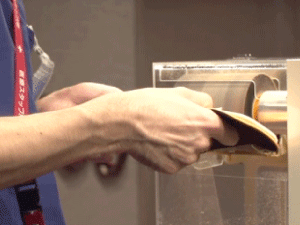
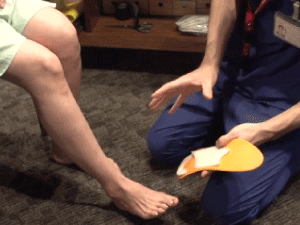
Based on measurements obtained with the Myopressure gait analysis system, we can create insoles that are more closely matched to your individual body and walking pattern.
Because you can see imbalances in your center of gravity and changes in foot movement during walking, the results provide more precise guidance for improving the way you use the entire sole of the foot.
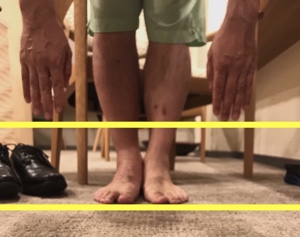
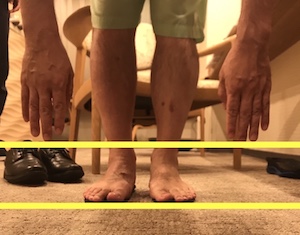
Using appropriate insoles may help improve ankle alignment and support a greater range of motion through the trunk.
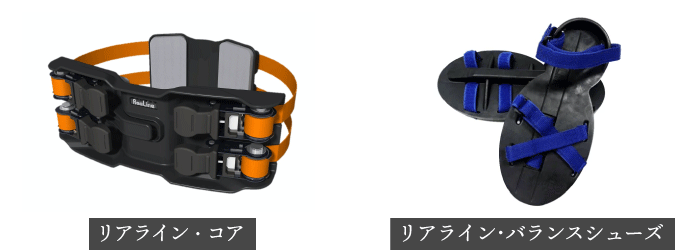
ReaLine Core is an exercise support device designed to improve alignment of the pelvis and rib cage, which form the center, or “core,” of the body.
When asymmetry develops in the pelvis or rib cage, it may affect not only the spine as a whole but also movement of the shoulders, neck, and hip joints.
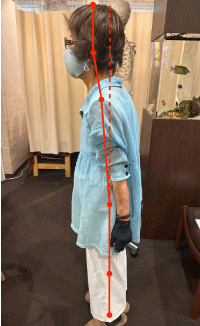
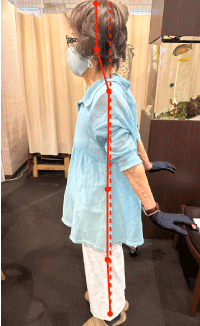
By actively depressing and retracting the shoulder blades, we aim to guide the head toward a more appropriate position.
The important point is “activating the muscles that maintain posture.”
Improvement cannot be achieved through massage alone.

Based on predictions made by researchers, a hypothetical human of the year 3000, named “Mindy,” was illustrated with the following unusual characteristics.

Even today, some people bend their necks sharply forward while looking at smartphones.
Modern lifestyles can encourage increasingly fixed postures and repetitive movement patterns.
Are you beginning to look like “Mindy” while working or using your phone?
Regardless of how realistic this future prediction may be, it is worth being mindful of how technology affects our posture and daily habits.
© Copyright (C) All Rights Reserved..