

At our clinic, 2D ultrasound examinations can be used to assess the condition of injured areas such as sprains, muscle strains, and bruises. Ultrasound allows us to identify the exact location and extent of an injury through images while providing treatment.
Using ultrasound also allows patients themselves to see the condition of the affected area. This helps us determine whether immediate evaluation at a hospital is necessary and clarify whether the source of pain involves the bone, muscle, ligament, or another structure, allowing us to provide the most appropriate treatment as quickly as possible.
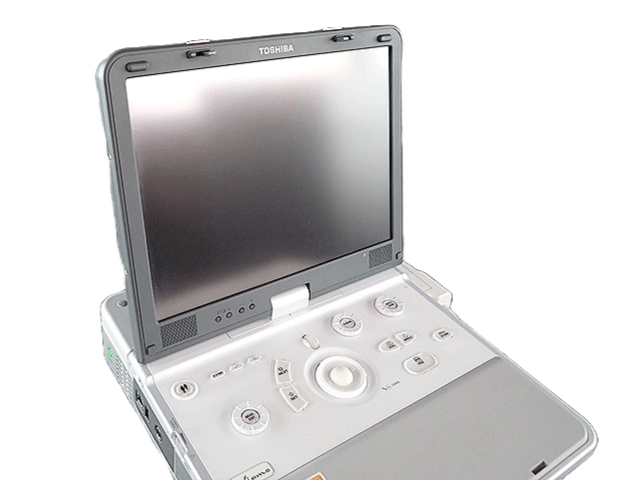
Although the number of osteopathic and rehabilitation clinics equipped with ultrasound imaging systems is still limited, our clinic actively utilizes 2D ultrasound technology to provide more precise and effective treatment for our patients.
We use ultrasound to closely assess injuries such as sprains, muscle strains, and bruises.
Because the extent of tissue damage and swelling can be assessed in real time, treatment can be started quickly with the goal of helping patients return to sports as soon as possible.
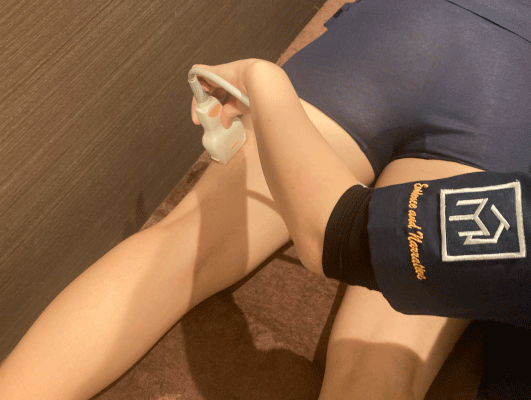
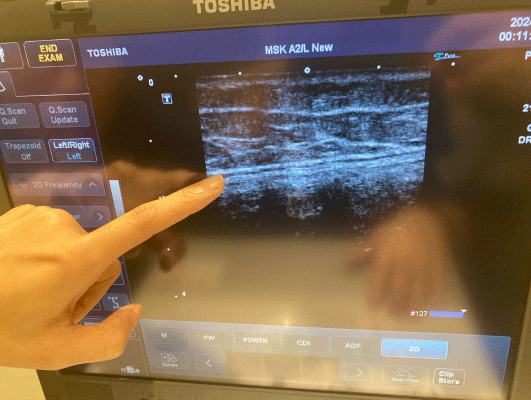
With sports injuries, early and accurate assessment can have a significant impact on recovery. For this reason, the introduction of ultrasound examination has been highly valued by many athletes.
Ultrasound allows us to accurately check the position of the fetus and provide safe and appropriate hands-on treatment.
Treatment is performed while monitoring the condition with ultrasound, with careful consideration for the delicate physical condition during pregnancy. By confirming the fetal position and surrounding conditions, we aim to minimize risk and provide treatment as safely as possible.
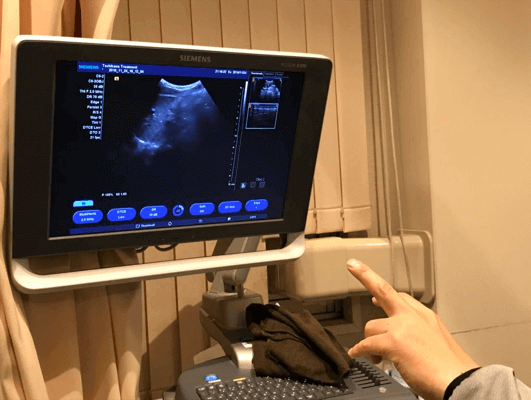
Nonspecific symptoms such as dizziness, tinnitus, headaches, and insomnia can significantly interfere with daily life, yet their causes are often difficult to identify. At our clinic, we incorporate ultrasound imaging into our assessment process with the aim of identifying underlying factors and improving symptoms.
When excessive tension in the sternocleidomastoid muscle continues for a prolonged period, it may affect the carotid artery running beneath it. Compression associated with muscle tension may interfere with blood flow and reduce the smooth circulation of blood to the brain and auditory organs.
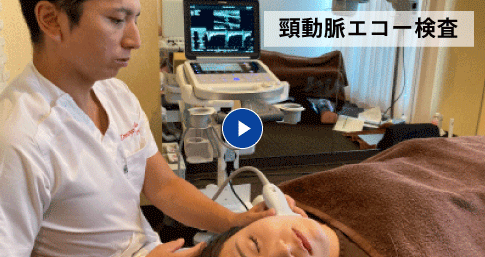
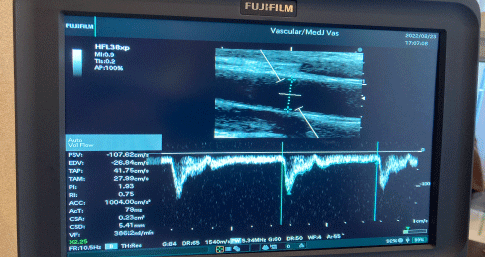
Measurements obtained using ultrasound can serve as useful clinical indicators for treatment. By comparing these values with the patient’s baseline measurements, we can provide more precise and targeted treatment.
© Copyright (C) All Rights Reserved..