
Our clinic offers Japan’s only fertility, infertility, and recurrent pregnancy loss program based on rehabilitation evidence.
The female body is easily affected by the menstrual cycle, making hormonal balance and blood flow especially important.
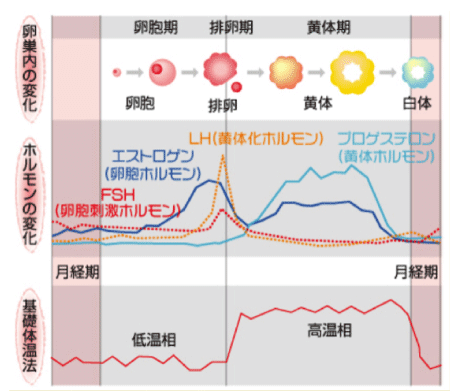
As shown on the left, hormone production and body temperature can fluctuate. Because most hormones that regulate the internal environment are transported through the bloodstream, fertility is related not only to the reproductive organs but also to the balance of the entire body.
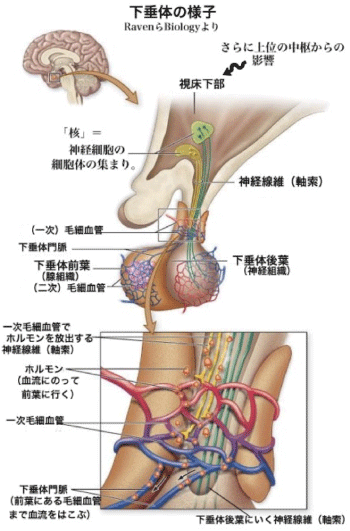
Many hormones are produced by the anterior pituitary gland. Therefore, when a problem occurs, imbalances may develop across multiple hormones in a chain reaction.
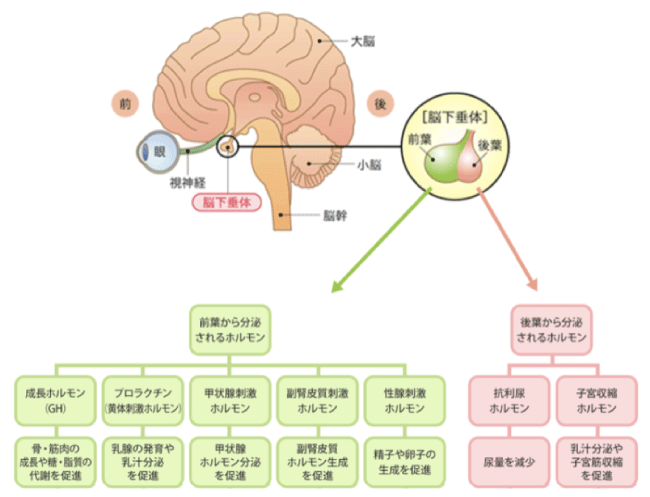
Hormones are secreted from the anterior pituitary gland into the capillaries and act throughout the body, demonstrating the importance of healthy blood flow.Blood flow can be divided into the following three categories.
3. Visceral blood flow
In many areas of perinatal care, the most important type is[3. Visceral blood flow], including blood flow to the uterus, ovaries, and fallopian tubes.
To increase visceral blood flow…
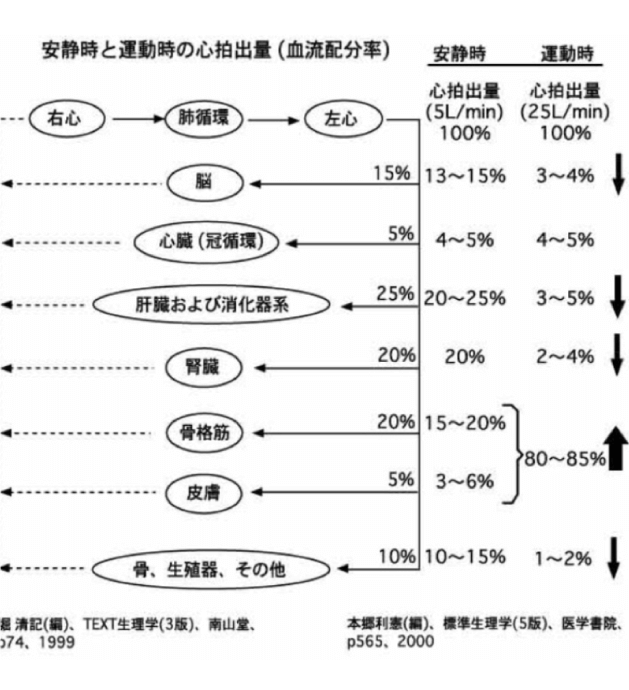
it is necessary to reduce the muscular blood flow that increases during exercise or periods of tension.
Reduced muscular blood flow ↓ = Increased visceral blood flow ↑
This relationship is supported by rehabilitation evidence. Therefore, another critically important factor is breathing.
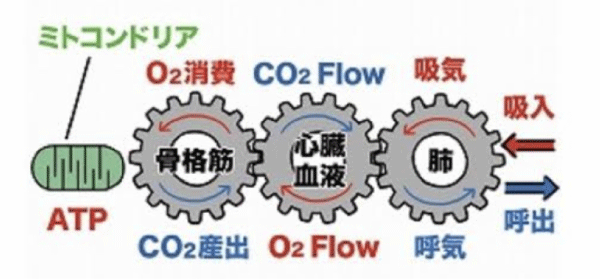
Breathing [external respiration] = Cardiac output [circulation] = Effector organs [effectors]
Through this internal energy metabolism, mitochondria produce ATP, which supports the body’s vital activities.
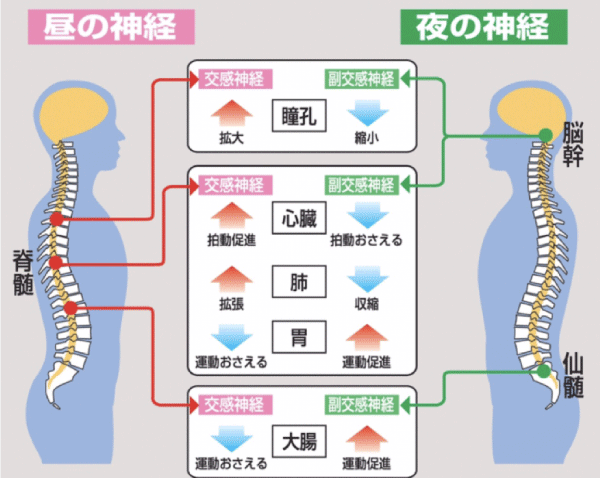
ATP production is also continuously influenced by the autonomic nervous system. Therefore, improving metabolism requires:
1. An appropriate amount of exercise and muscle mass [maintaining visceral blood flow without excessively increasing muscular blood flow]
2. Increased ventilation at rest [increasing venous return to the heart]
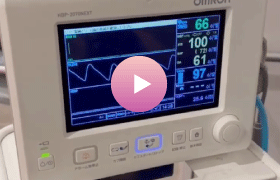
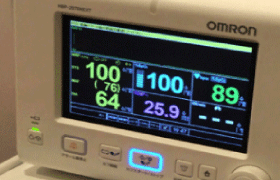
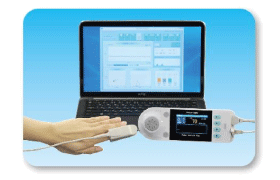
3. Stable blood pressure, respiratory rate, and body temperature [supporting the body’s natural healing capacity through stable vital signs]
At Medical Japan, our perinatal care interventions are planned with consideration for vital-sign stability and nutritional support. We prescribe medical acupuncture, massage, and exercise training to help stabilize vital signs, improve nutritional status, and regulate the autonomic nervous system.
In the clinical management of infertility and recurrent pregnancy loss, interventions must be timed appropriately and coordinated with obstetric treatment. For this reason, Medical Japan’s infertility and recurrent pregnancy loss program is supervised by a certified infertility counselor.
We also collaborate with obstetricians and incorporate the latest available evidence.
Blood flow within the pelvis and pelvic alignment may play an important role in embryo implantation and pregnancy. Cold sensitivity and pelvic imbalance may create conditions that are less favorable for conception, making it important to address these issues.
The pelvis contains reproductive organs such as the uterus and ovaries. When blood flow to these organs is healthy and the pelvis maintains its natural forward-tilted position, the internal environment may be more supportive of implantation and conception.
However, cold sensitivity and structural imbalance may impair placental blood flow and reduce the natural forward tilt of the pelvis, potentially contributing to organ descent and an environment less favorable for implantation. Cold sensitivity may also reduce metabolism and immune function.

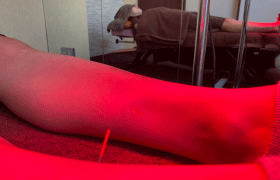

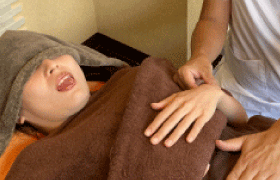
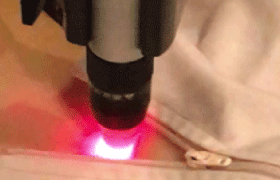
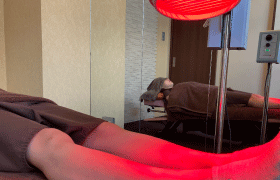
At our center, we warm the body with infrared therapy while using acupuncture, moxibustion, and manual therapy to improve blood flow within the pelvis and support a body condition favorable for pregnancy. By relieving everyday fatigue, we reduce physical strain and promote both physical and mental relaxation.
We frequently receive referrals from obstetricians and gynecologists. When appropriate, we can also refer patients to an affiliated Kampo pharmacy.
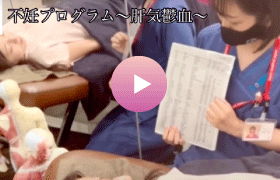
For more information about the methods used in our infertility program, please watch the videos below. They explain the specific techniques and approaches included in the program.





To provide the most appropriate care, we place importance on understanding each patient’s current physical condition and treatment history.
Patients who are trying to conceive are asked to bring the following data and test results whenever possible.
• Basal body temperature (BBT) chart
• Hormone test results, such as FSH, LH, E2, prolactin, and AMH
• Test results related to ovulation, the uterus, and the fallopian tubes, such as ultrasound examinations and hysterosalpingography
• Your partner’s semen analysis results, if available
Please also bring any other test results related to fertility that you may have.
This information enables us to conduct a more accurate assessment and prepare an appropriate care plan.
Please speak with a member of staff if you have any questions.
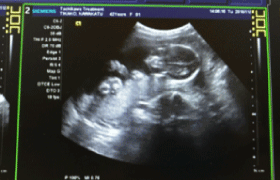
Many patients have successfully conceived and given birth. Some achieved a successful delivery after many years of trying to conceive and receiving care at our clinic.
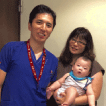
*Published with the patient’s permission
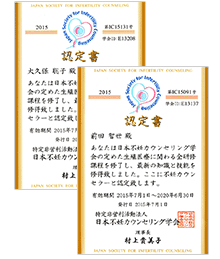
[Certified Infertility Counselor]
The infertility counselor credential is certified by the Japan Society for Infertility Counseling.
Credential holders are primarily physicians, nurses, embryologists, and clinical psychologists working at clinics specializing in fertility treatment. The qualification is awarded to individuals who pass written and oral examinations covering a broad range of subjects, including assisted reproductive technology such as IVF and ICSI, recurrent pregnancy loss, ethics in fertility treatment, and the various concerns and anxieties associated with fertility care.
Our center has several infertility counselors affiliated with the Japan Society for Infertility Counseling and equipped with extensive specialist knowledge.
Our nationally licensed practitioners have studied both traditional East Asian and Western medicine and completed government-approved training programs. Through the multidisciplinary approaches described above, we continually develop our skills and knowledge so that patients can rely on us and achieve meaningful results. We have a record of experience and trust that distinguishes our services. The right environment is essential for achieving results. We prioritize private rooms to protect patient privacy, and insurance coverage may be available in some cases. Please begin by speaking with us about your situation.


The role of preconception care across the life course (adapted from WHO)
Conception means the beginning of a new life in the womb—the process of becoming pregnant.
Preconception care means that women and couples who may consider pregnancy in the future take time to review and improve their lifestyle and health.
This care is not limited to women who are actively planning a pregnancy. Its goals are to improve the health of women and couples, increase the likelihood of having a healthy baby, and support healthier lives for women and their future families.
In Japan, the first dedicated service was established at the Preconception Care Center of the National Center for Child Health and Development.
The Preconception Care Center aims to enable all women and couples who may wish to have children in the future to receive a comprehensive review of their current health and consult specialists from multiple fields about daily life and wellbeing. Particular attention is given to people with current medical conditions or a history of childhood illness who are concerned about future pregnancy and childbirth, couples experiencing difficulty conceiving, and couples whose previous pregnancies did not have the outcome they hoped for.

The center also gathers information about pregnancy and childbirth in relation to medical conditions for which guidance has previously been limited and shares up-to-date information that everyone should know before pregnancy.
• Department of Obstetrics and Gynecology, The Jikei University School of Medicine
• Kyorin University Hospital
• Osaka Medical and Pharmaceutical University Hospital
*These institutions provide preconception consultation services only.
The Japan Society for Infertility Counseling and the Japan Society for Reproductive Medicine conduct research, clinical, and educational activities related to infertility and reproductive medicine in Japan. Through the exchange of knowledge and information, collaboration among specialists, and support for patients, these organizations promote the development of the field and the wellbeing of patients.

© Copyright (C) All Rights Reserved..