

Are you experiencing dizziness, lightheadedness, or a feeling of unsteadiness in Phnom Penh?
Dizziness can feel different from person to person, such as feeling lightheaded when standing up, feeling unsteady, or experiencing heaviness in the head or body.
Dizziness can have many different causes. In some cases, it may be related to conditions affecting the inner ear or brain, while in others, physical factors such as neck and shoulder tension, posture, or fatigue may be involved.
In this article, we explain the common causes and symptoms of dizziness, as well as the acupuncture-based treatments provided at PAPC.
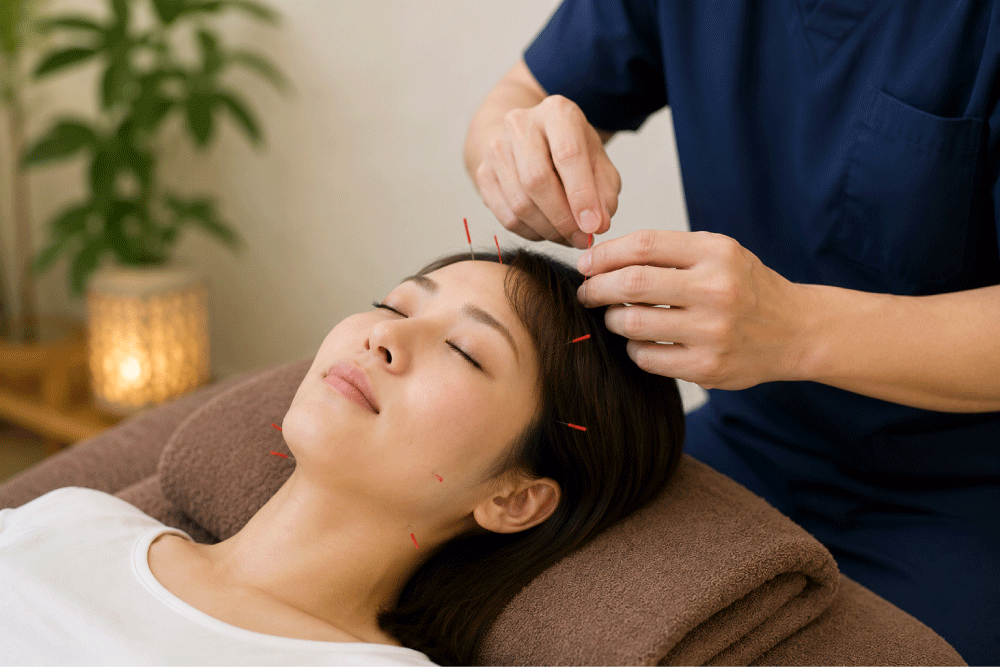
What You Will Learn
- Common causes of dizziness
- Different types of dizziness and their characteristics
- The relationship between neck and shoulder tension and dizziness
- How acupuncture may be used for dizziness
- How PAPC approaches dizziness treatment
- When dizziness should be evaluated by a medical doctor
Do You Have Any of These Symptoms?
- You feel as though your body is floating or unsteady
- You feel lightheaded or unsteady when standing up
- You experience recurring episodes of dizziness
- Your dizziness is accompanied by neck or shoulder tension
- Your symptoms become worse after desk work
- You are more likely to feel dizzy when tired
- Medical examinations have not identified a significant abnormality
- You would like to discuss persistent or recurring dizziness
What Causes Dizziness?
Dizziness is not always caused by a single factor.
Maintaining balance requires several systems to work together,
including the balance organs located in the inner ear,
visual information received through the eyes,
and information from the muscles and joints about the position of the body.
When these signals are not processed properly,
you may feel as though you or your surroundings are spinning,
experience a floating sensation,
or feel unsteady on your feet.
Dizziness can also be associated with medical conditions involving the inner ear or brain,
so it is important not to determine the cause based on symptoms alone.
If you experience severe dizziness for the first time
or your symptoms develop suddenly,
it is important to seek medical evaluation to determine the underlying cause.
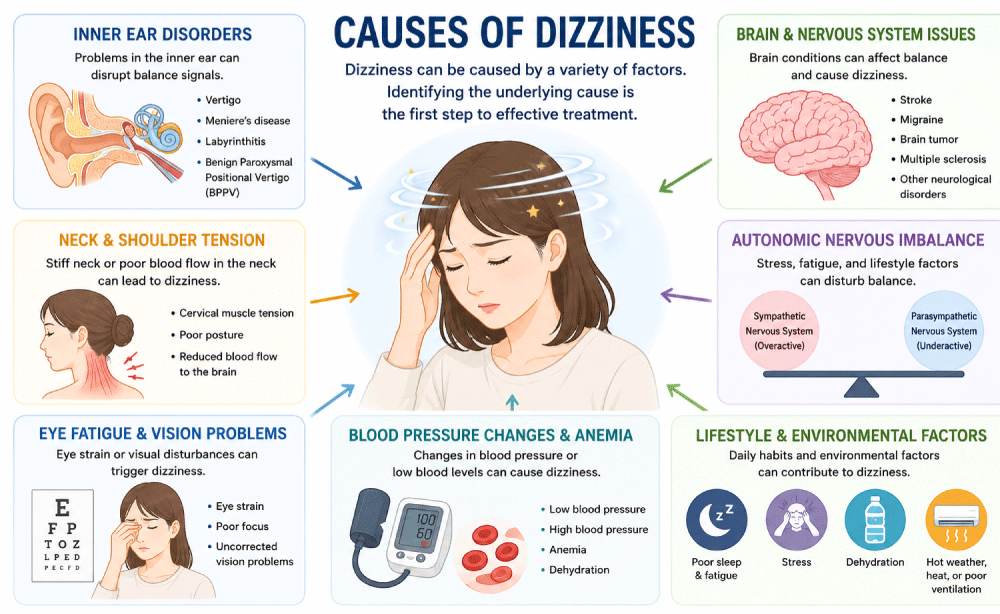
brain, vision, and the body’s balance systems.
What Are the Different Types of Dizziness?
The sensation of dizziness can vary from person to person.
In general, dizziness may include
a spinning sensation,
a floating or swaying sensation,
or lightheadedness when standing up.
Vertigo
Vertigo is the sensation that you or your surroundings are spinning.
It may be associated with problems involving the balance organs
located in the inner ear.
Floating or Unsteady Dizziness
You may feel as though your body is floating,
the ground is moving beneath you,
or you may find it difficult to walk straight.
Lightheadedness
This may occur when standing up,
causing your vision to become dark or making you feel faint.
Changes in blood pressure may sometimes be involved.
The Relationship Between Neck and Shoulder Tension and Dizziness
Spending long periods working at a desk or using a smartphone
can cause the head to move forward relative to the body,
increasing the physical load on the muscles around the neck and shoulders.
Postural patterns such as forward head posture,
rounded shoulders, or a hunched posture
may cause the muscles of the neck, shoulders, and upper back
to remain tense while supporting the head.
Some people who experience dizziness
also report symptoms such as
neck stiffness,
shoulder tension,
tightness around the back of the head,
headaches,
or eye fatigue.
Symptoms That May Occur Along With Dizziness
- Neck stiffness or heaviness
- Severe shoulder tension
- Tightness around the back of the head
- Headaches
- Eye fatigue
- Discomfort after prolonged computer use
- Symptoms that become more noticeable when fatigued
However,
having neck or shoulder tension does not necessarily mean
that your dizziness is caused by your neck or shoulders.
At PAPC,
we first check whether there are symptoms that may require medical examination.
We then evaluate factors such as
muscle tension around the neck and shoulders,
posture,
and overall body movement.
Why Acupuncture May Be Used for Dizziness
Dizziness can have many different causes,
so acupuncture is not appropriate for every type of dizziness.
At PAPC,
we first review your symptoms and medical history.
If we believe that medical examination is necessary,
we will recommend that you consult a medical doctor.
When physical factors such as
muscle tension around the neck and shoulders
may be contributing to your symptoms,
we may combine acupuncture with manual therapy
according to your condition.
Acupuncture
We assess the condition of the muscles around the neck,
shoulders, and back of the head,
and apply acupuncture stimulation according to your individual condition.
Moxibustion
Depending on your symptoms and physical condition,
moxibustion may be used to provide gentle thermal stimulation.
Manual Therapy
We assess the movement of the neck,
back, shoulder blades, and rib cage
and work toward reducing unnecessary physical stress on the body.
Massage
When significant muscle tension or fatigue is present
in the neck, shoulders, or back,
manual treatment is provided according to your condition.
Rehabilitation & Exercise Therapy
We assess your posture and movement
and may provide exercises for the neck,
shoulders, and back when appropriate.
Posture & Movement Assessment
We assess your posture during desk work
and smartphone use
and provide guidance on ways to reduce strain on your neck and shoulders.
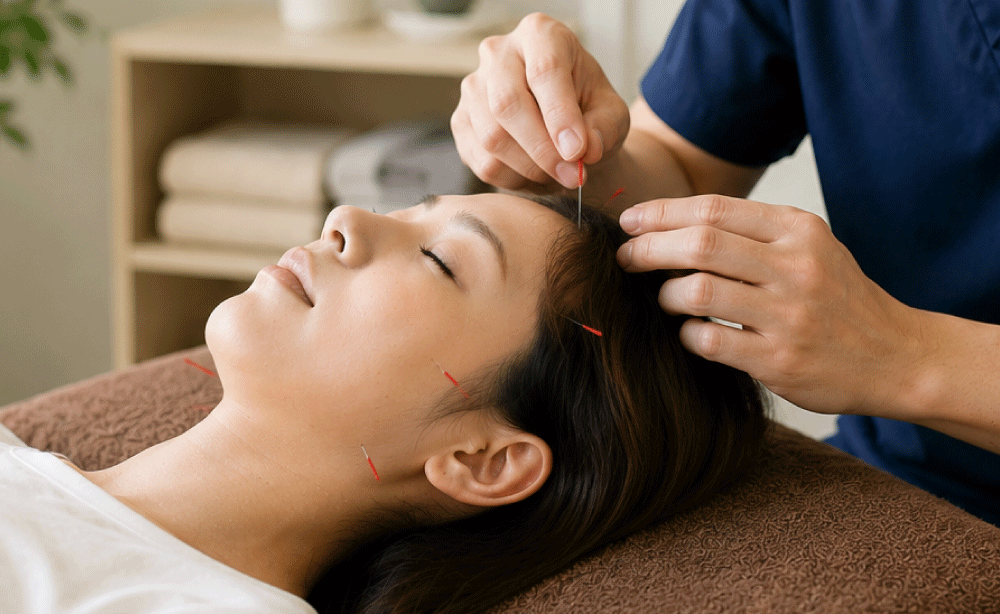
and provide individualized treatments such as acupuncture.
PAPC Provides Individualized Acupuncture Treatment for Dizziness
At PAPC,
we do not simply apply acupuncture to the same points
just because a patient is experiencing dizziness.
This is because the symptoms
and underlying factors associated with dizziness
vary from person to person.
Our Japanese nationally licensed practitioners
review your dizziness symptoms,
when they began,
and any previous medical examinations or tests you have undergone.
We also assess
tension in the neck and shoulders,
the condition of the back and shoulder blades,
posture,
and how you use your body in daily life.
Based on this assessment,
we primarily use acupuncture
and may combine it with manual therapy,
massage,
stretching,
or rehabilitation exercises as needed.
PAPC’s Treatment Process for Dizziness
- Review dizziness, lightheadedness, and related symptoms
- Check when the symptoms began, how they occur, and your examination history
- Assess the neck, shoulders, back, and overall physical condition
- Provide acupuncture treatment according to your condition
- Add manual therapy, massage, or exercise therapy when appropriate
- Provide advice on posture and self-care for daily life
FAQ
Frequently Asked Questions About Acupuncture for Dizziness
Can I Receive Acupuncture If I Have Dizziness?
Depending on your symptoms and physical condition,
you may be able to receive acupuncture treatment.
However, dizziness can sometimes be associated with
conditions affecting the inner ear or brain.
We review your symptoms and medical history
and may recommend medical examination when necessary.
Can I Consult PAPC If Medical Tests Did Not Find Any Abnormalities?
Yes, you can consult us.
After reviewing the results of your medical examinations,
we assess factors such as
neck and shoulder tension,
posture,
and body movement
to determine whether treatments such as acupuncture may be appropriate.
I Have Dizziness Together With Neck and Shoulder Tension. Can You Help?
Some people who experience dizziness
also have significant tension in the neck and shoulder muscles.
However,
dizziness should not be assumed to be caused
solely by neck or shoulder tension.
We assess your symptoms first
and recommend medical consultation when necessary.
Is Acupuncture Painful?
PAPC uses fine, Japanese-made acupuncture needles.
Sensations vary from person to person,
but we carefully monitor your condition throughout the treatment,
including for patients receiving acupuncture for the first time.
If you have any concerns,
please feel free to discuss them with us before your treatment.
Which Treatment Menu Should I Choose?
If you are unsure which menu to select,
please choose Standard Treatment.
A Japanese nationally licensed practitioner will assess your condition
and recommend the most appropriate combination of
acupuncture,
manual therapy,
massage,
and rehabilitation.
CONSULTATION & APPOINTMENT
For Those Experiencing Dizziness or Lightheadedness in Phnom Penh
At PAPC,
our Japanese nationally licensed practitioners assess not only your dizziness symptoms,
but also neck and shoulder tension,
posture,
and overall body movement.
After checking whether your symptoms may require medical examination,
we provide treatment according to your condition,
primarily using acupuncture
and combining manual therapy,
massage,
and rehabilitation when appropriate.
If you are experiencing recurring dizziness or lightheadedness in Phnom Penh,
particularly together with neck or shoulder tension,
please feel free to consult PAPC.