

Are you suffering from chronic shoulder stiffness or neck tension in Phnom Penh?
Long hours of desk work, smartphone use, and maintaining the same posture for extended periods
can place stress on the muscles around the neck, shoulders, and shoulder blades,
leading to recurring shoulder stiffness.
In this article, we explain the common causes and symptoms of chronic shoulder stiffness
and the acupuncture-based treatments provided at PAPC.
What You Will Learn
- Common causes of shoulder stiffness
- Why desk work can lead to chronic shoulder stiffness
- Why massage alone may not prevent recurring symptoms
- How acupuncture is used for shoulder stiffness
- How PAPC treats chronic shoulder stiffness
Do You Have Any of These Symptoms?
- Your shoulders constantly feel heavy or tired
- Your shoulder stiffness worsens during desk work
- You feel tightness from your neck to your shoulders
- You experience headaches or eye strain along with shoulder stiffness
- You feel heaviness around the inner side of your shoulder blades
- You spend long hours using a smartphone or computer
- Your shoulder stiffness quickly returns after massage
- You want to address chronic shoulder stiffness more thoroughly
What Causes Shoulder Stiffness?
Shoulder stiffness can occur when the muscles from the neck to the shoulders and upper back
are placed under continuous stress, resulting in muscle tension and fatigue.
It is particularly common among people who spend long periods in the same position,
such as during desk work or smartphone use.
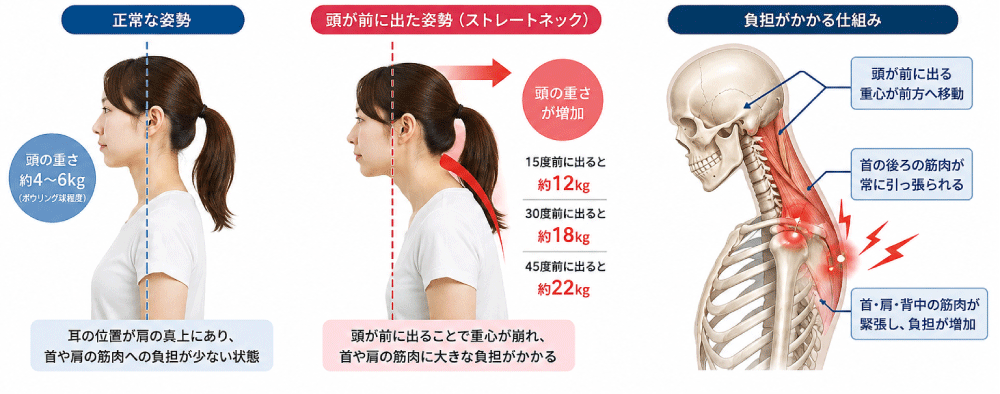
When the head moves forward or the shoulders remain rounded inward,
the muscles around the neck, shoulders, and shoulder blades must work continuously
to support the body.
This can lead not only to heaviness, fatigue, and tightness in the shoulders,
but also to neck stiffness, headaches, and eye strain.
Shoulder stiffness is not always caused by the shoulder muscles alone.
Movement of the neck and upper back, the position of the shoulder blades,
chest mobility, posture, and everyday movement patterns may also contribute.
Why Desk Work Can Make Shoulder Stiffness Chronic
Desk work often requires people to remain in the same posture for long periods,
placing continuous stress on the muscles of the neck, shoulders, and upper back.
A low computer screen, an unsuitable desk or chair height,
or prolonged laptop use can further increase this strain.
When the shoulders move forward while using a keyboard or mouse,
rounded shoulders and poor posture can reduce movement around the shoulder blades.
Over time, this may cause the muscles around the neck and shoulders to remain tense,
contributing to recurring shoulder stiffness.
In Phnom Penh, long hours of office work may be combined with
frequent travel by car or motorbike and extended time in air-conditioned environments.
These lifestyle factors may also contribute to shoulder discomfort.
Common Factors That Can Contribute to Chronic Shoulder Stiffness
- Long hours of computer work
- Prolonged smartphone use
- Rounded shoulders and poor posture
- Reduced movement of the shoulder blades and upper back
- Tension in the neck and shoulder muscles
- Lack of physical activity
- Remaining in the same posture for long periods
Why Massage Alone May Not Prevent Shoulder Stiffness from Returning
Massage may help relax tight shoulder muscles
and temporarily make the shoulders feel lighter.
However, if the posture, movement patterns, or shoulder blade mobility
contributing to the problem remain unchanged,
stress can continue to build up around the shoulders.
With chronic shoulder stiffness, tension may be present not only in the shoulders
but also in the neck, upper back, shoulder blade area, and chest.
For this reason, it is important to assess the condition of the whole body
rather than focusing only on massaging the shoulders.
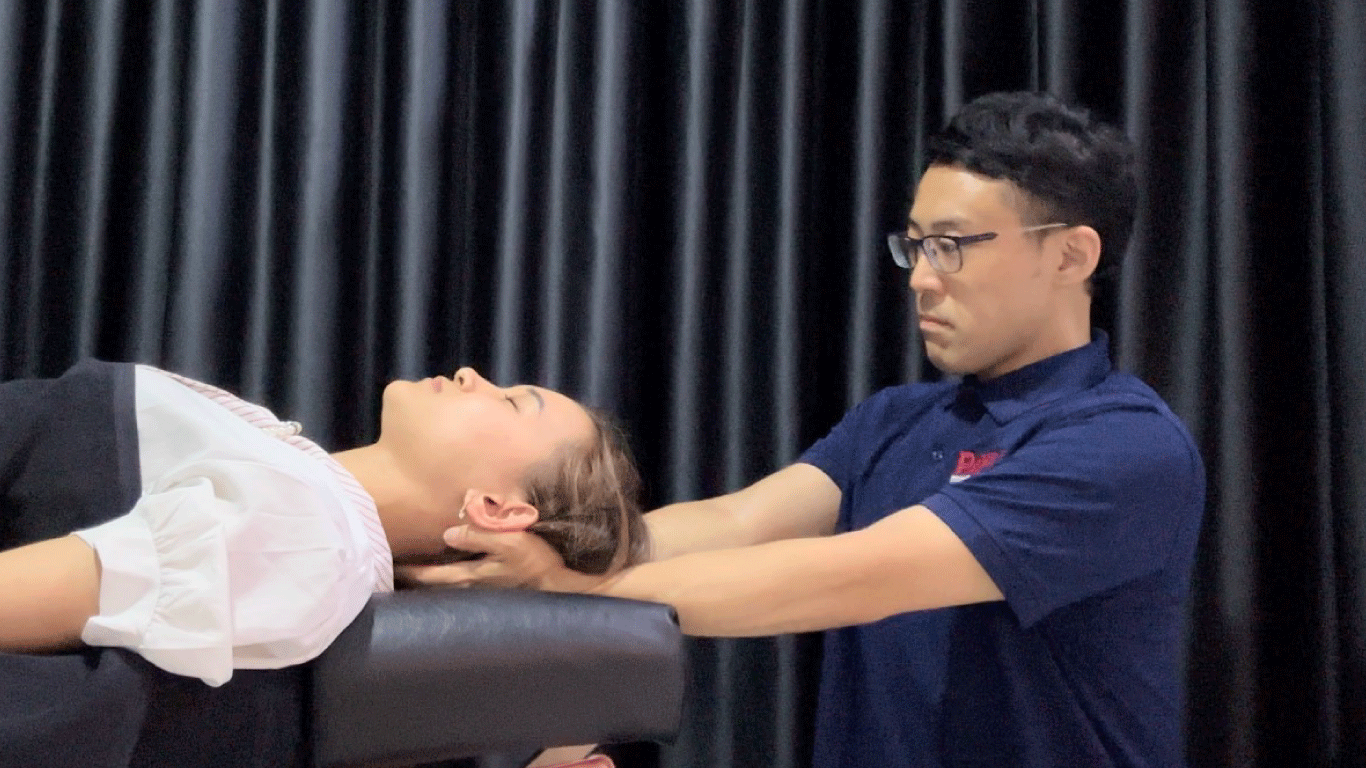
At PAPC, treatment may combine acupuncture, manual therapy,
massage, stretching, and rehabilitation depending on the patient’s condition.
We assess not only muscle tension but also posture and body movement
when planning treatment.
Why Acupuncture Is Used for Chronic Shoulder Stiffness
Chronic shoulder stiffness is often associated with significant tension
in the muscles around the neck, shoulders, and shoulder blades.
In acupuncture treatment, the patient’s physical condition is first assessed,
and stimulation is then applied to relevant muscles and acupuncture points.
One feature of acupuncture is that it can be used to stimulate deeper muscles
that may be difficult to reach with manual treatment alone.
At PAPC, we assess not only the shoulders,
but also the neck, upper back, and shoulder blade area.
Acupuncture
We assess tension in the muscles around the neck, shoulders, and shoulder blades
and apply acupuncture stimulation according to the patient’s condition.
Moxibustion
Depending on the patient’s symptoms and physical condition,
moxibustion may be used to provide gentle thermal stimulation.
Manual Therapy
We assess movement in the neck, upper back, shoulder blades, and rib cage
to help reduce unnecessary stress on the shoulders.
Massage
Massage is performed with appropriate pressure
according to muscle tension and fatigue in the neck, shoulders, and back.
Rehabilitation & Exercise Therapy
Exercises for the shoulder blades and upper back may be introduced
to help build a body that is less prone to recurring shoulder stiffness.
Posture & Movement Assessment
We assess posture and movement during desk work
and provide advice on reducing shoulder strain in everyday life.
PAPC Provides Acupuncture Treatment Tailored to Each Patient
At PAPC, having shoulder pain or stiffness does not necessarily mean
that acupuncture will be applied only to the shoulders.
The symptoms and contributing factors can differ from person to person.
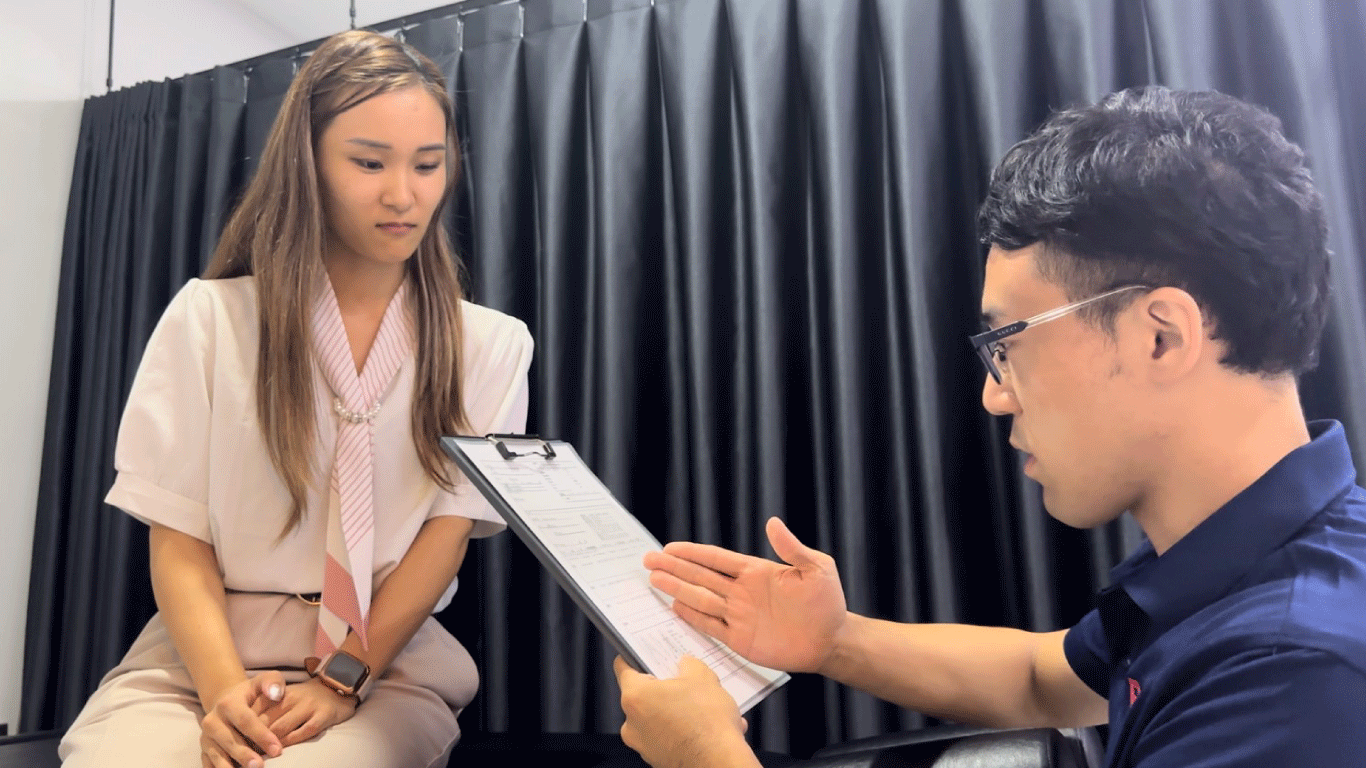
A Japanese nationally licensed practitioner assesses
not only muscle tension in the shoulders,
but also the condition of the neck, shoulder blades, and upper back,
as well as posture and everyday movement patterns.
Based on the assessment, acupuncture is used as the main treatment,
with manual therapy, massage, stretching,
and rehabilitation added when appropriate.
Our goal is not only to provide temporary relief from shoulder stiffness,
but also to help reduce the strain placed on the shoulders
during desk work and everyday activities.
We also provide guidance on self-care and posture.
PAPC’s Acupuncture Treatment Process for Shoulder Stiffness
- Assess shoulder stiffness, neck tension, headaches, and other symptoms
- Check the condition of the neck, shoulders, shoulder blades, and upper back
- Provide acupuncture treatment according to the patient’s condition
- Add manual therapy, massage, or exercise therapy when necessary
- Provide guidance on posture and self-care during desk work
Seek Medical Attention for Severe Pain or Numbness
If shoulder stiffness is accompanied by severe numbness in the arms or hands,
reduced grip strength, difficulty applying force,
fever, or a sudden severe headache,
medical examination and evaluation may be necessary.
At PAPC, we assess each patient’s condition.
If we determine that medical examination should take priority
over acupuncture or other treatment,
we will recommend consultation with an appropriate medical facility.
FAQ
Frequently Asked Questions About Acupuncture for Shoulder Stiffness
Can I receive acupuncture for chronic shoulder stiffness?
Yes. We assess the condition of the muscles around the neck,
shoulders, and shoulder blades, as well as your posture,
and recommend acupuncture treatment according to your condition.
Does acupuncture hurt?
PAPC uses thin, Japanese-made acupuncture needles.
Sensation varies from person to person,
but treatment is performed while carefully checking your response,
including for patients receiving acupuncture for the first time.
If you have any concerns, please feel free to discuss them before treatment.
Can I also consult you about headaches or eye strain related to shoulder stiffness?
Yes, particularly when tension in the neck and shoulder muscles
or posture may be contributing to the symptoms.
However, if you experience a sudden severe headache, nausea,
or paralysis or numbness in the limbs,
please seek medical attention promptly.
I am not sure which treatment menu to choose.
If you are unsure which menu to choose, please select Standard Treatment.
A Japanese nationally licensed practitioner will assess your condition
and recommend the appropriate combination of acupuncture,
manual therapy, massage, and rehabilitation.
Can I receive treatment while continuing desk work?
Yes.
We can also assess your desk environment and working posture
and provide stretches and self-care exercises
that can be performed during the workday.
CONSULTATION & APPOINTMENT
For Chronic Shoulder Stiffness in Phnom Penh
At PAPC, Japanese nationally licensed practitioners assess
not only the shoulders, but also the neck, shoulder blades,
upper back, and posture.
With acupuncture as the main treatment, we may also combine
manual therapy, massage, and rehabilitation
to support improvement of chronic shoulder stiffness and neck tension.
If your shoulder stiffness keeps returning even after massage,
please feel free to consult us.