
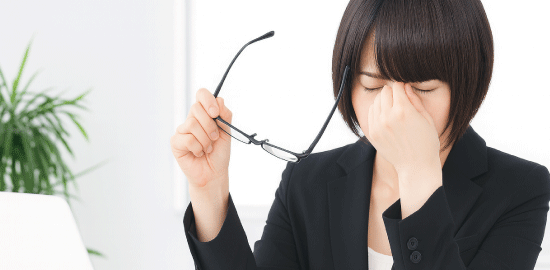
“My eyes feel heavy.” “It becomes difficult to focus in the evening.” “I feel a dull ache behind my eyes.” “I even get headaches and stiff shoulders.”
These symptoms are often related not only to overuse of the eyes, but also to your overall physical condition, including tension in the neck and shoulders, blood circulation, shallow breathing, and autonomic nervous system balance.
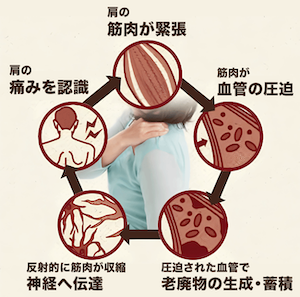
If your symptoms seem to have multiple contributing factors—for example, if eye symptoms persist or an ophthalmologist has found no abnormality—evaluating the neck, posture, breathing, and circulation may help identify a path toward improvement.
The muscles around the eyes, including the orbicularis oculi, as well as the muscles that control eye movement, contract and relax using energy in the form of ATP.
Producing this energy requires adequate blood flow to deliver oxygen and nutrients.
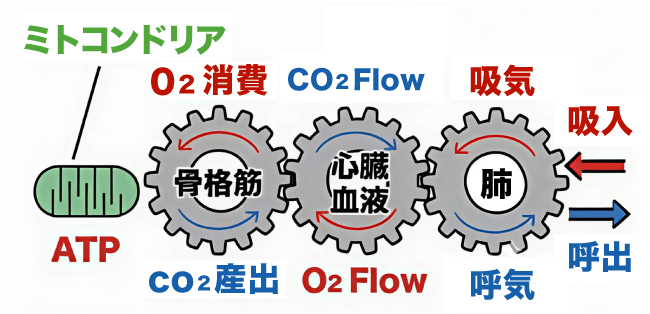
To support muscle function, the heart must circulate blood while the lungs take in oxygen and deliver it throughout the body.
However, prolonged computer work and smartphone use can lead to poor posture and shallow breathing, which may reduce oxygen intake.
Prolonged computer use → Poor posture → Shallow breathing → Reduced oxygen supply → Muscle fatigue → Twitching (muscle spasm)
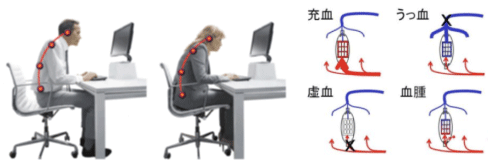
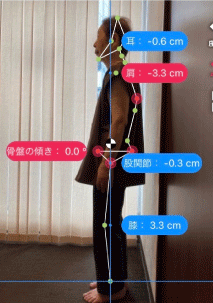
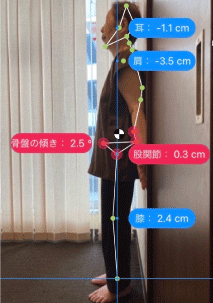
Poor posture like the example above can restrict movement of the rib cage and make breathing shallower. As a result, circulation may become less efficient, increasing the likelihood of congestion and poor blood flow.
This can fatigue the muscles and make muscle spasms—involuntary muscle contractions—more likely to occur.
Conditions That Can Make Muscle Spasms More Likely
In some cases, poor circulation may be one of the underlying contributing factors.
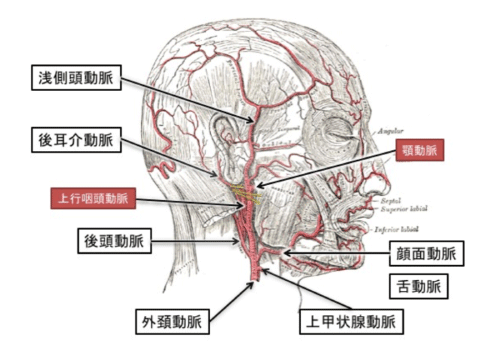
Blood vessels that supply nutrients to the area around the eyes travel through the neck toward the head.
Vessels extending from the heart pass near the muscles of the neck, including the sternocleidomastoid muscle, and tissues around the collarbone as they travel upward.
Therefore, when strong tension in the neck and shoulders persists, it can increase stress on the surrounding tissues and may contribute to reduced circulation around the eyes, leading to symptoms such as twitching, heaviness, or blurred vision.
In recent years, the idea that “blue light damages the eyes” has become widely known.
However, current evidence in ophthalmology and sleep medicine does not provide sufficient proof that blue light itself is a direct cause of myopia or reduced visual acuity. This is currently the prevailing understanding.
The progression of myopia and deterioration in visual function can involve multiple factors, including changes in axial length, prolonged near work, insufficient outdoor activity, and genetic factors.
In other words, “reduced visual acuity (myopia)” and “light wavelength” should be considered separate issues.
Blue light becomes particularly relevant at night. It can suppress the secretion of melatonin, a hormone involved in sleep regulation, and exposure to bright light before bedtime may delay sleep onset or make sleep lighter.
As a result, inadequate recovery may contribute to greater eye strain the following day.
*Blue-light measures are only supportive. The main causes of eye strain are often a combination of factors such as screen time, viewing distance, breaks, posture, neck and shoulder tension, and dry eyes.
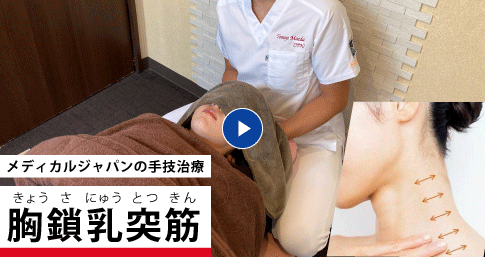
When the sternocleidomastoid muscle becomes chronically shortened and tight, it may affect the blood vessels and nerves around it and make circulation toward the head and eyes less efficient.
This may reduce the supply of oxygen and nutrients around the eyes and contribute to symptoms such as eye strain, heaviness, and blurred vision.
Tightness in the muscles around the neck may also be associated not only with reduced circulation to the head, but also with headaches, reduced concentration, and disruption of autonomic nervous system balance.
At Medical Japan, we use targeted approaches to the cervical muscles, including the sternocleidomastoid, with the aim of improving not only eye strain but also related symptoms such as neck and shoulder stiffness, headaches, and reduced sleep quality.
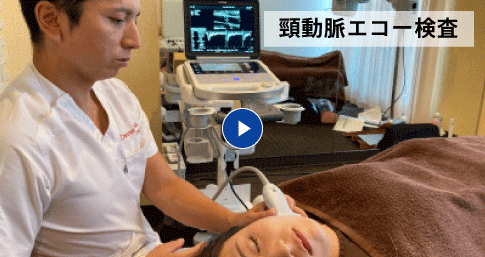
We also use 2D ultrasound imaging to assess muscle tension and visualize the condition before determining an appropriate treatment approach.
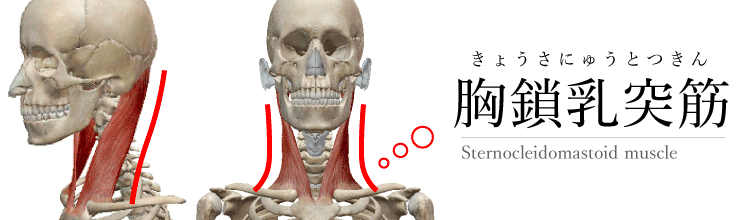
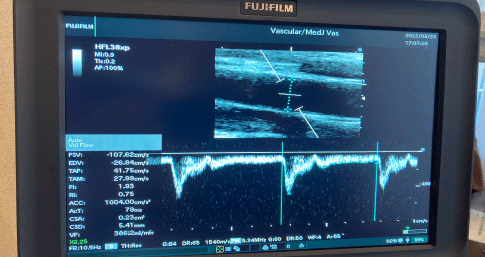
When excessive tension in the sternocleidomastoid muscle persists, it may place stress on the area around the carotid arteries running beneath it and interfere with smooth circulation.
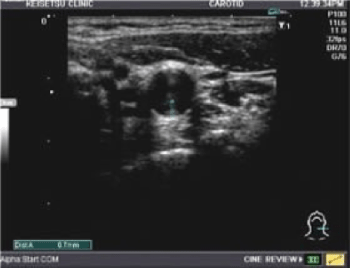
At Medical Japan, we combine ultrasound assessment, therapeutic ultrasound equipment, hands-on treatment, and rehabilitation exercises to create a program suited to each patient’s condition and address eye strain.
Information obtained through ultrasound imaging helps us understand the patient’s condition and determine an appropriate treatment plan. Comparing the initial findings with changes after treatment can help us provide a more targeted approach.
2D ultrasound is particularly useful for observing soft tissues such as muscles, tendons, and ligaments.
It can be used as an additional assessment tool for evaluating soft-tissue conditions that may be difficult to visualize with X-rays or CT scans.
The neck contains a complex network of muscles and nerves, as well as major blood vessels that travel toward the head.
We assess posture and breathing habits as well, with the aim of improving range of motion and reducing excessive muscle tension.
To support earlier improvement, we provide individualized consultations and customized treatment for each patient.
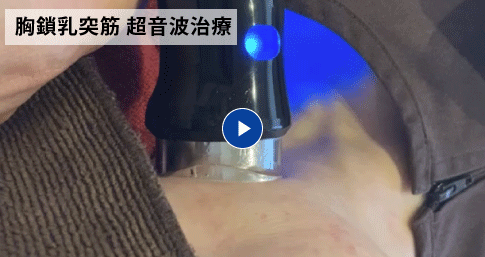
Depending on the patient’s condition, therapeutic ultrasound is applied using either a non-thermal or thermal setting.
Deep stimulation from ultrasound is used to support circulation and help reduce muscle tension.
We may also use Astron, a physical therapy device that combines high-frequency and therapeutic ultrasound technologies, to support muscle relaxation and help modulate pain signals.
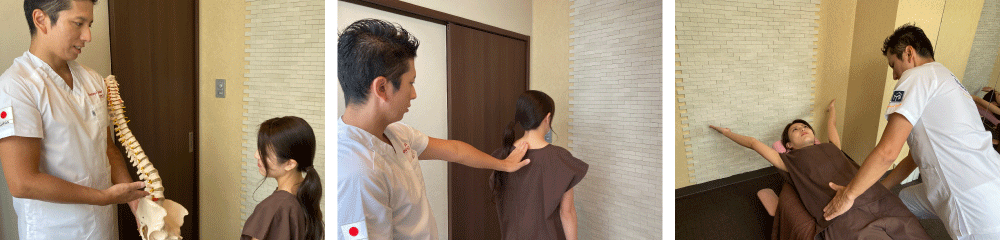
A tense body can lead to shallow breathing and affect overall metabolism and recovery.
We provide easy-to-understand guidance on simple exercises and breathing techniques that can be performed at home, tailored to each patient’s condition.
Vision training is designed to improve the eyes’ visual functions—the ability to see and process visual information.
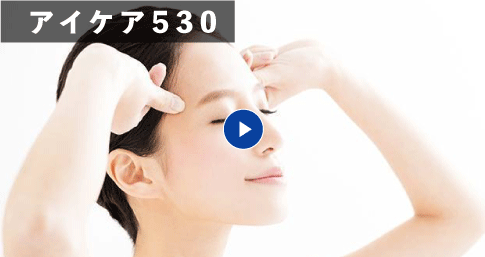
Through exercises such as eye movements, the training aims to improve the ability to track objects and process visual information in the brain, then connect that information to coordinated body movement.
Four Types of Vision Training Offered at Medical Japan
These are simple exercises you can perform on your own. Based on our assessment, we select and recommend the training that is most appropriate for your needs. Please feel free to consult us if you are interested.
The ES-530 is an electrical stimulation therapy device manufactured by Ito Co., Ltd. and is also used in the care of elite athletes, including Olympic competitors.
Depending on the patient’s condition, we select from multiple modes, including three-dimensional medium-frequency stimulation, high-voltage deep stimulation, microcurrent support for pain and inflammation management, and support for improved blood circulation.
The three-dimensional dynamic interference current therapy used at our clinic is a form of physical therapy designed to deliver broad stimulation to deeper tissues through the interaction of multiple medium-frequency currents in three-dimensional space.
In addition to supporting the care of muscles, ligaments, and nerves, it is used to help support circulation and improve muscle function.
The treatments described above are examples of clinical interventions. What matters most is identifying and addressing the underlying causes, including the prevention of recurrence.
Our nationally licensed practitioners provide consistent support from assessment and treatment through to self-care guidance.
Let us help you return to a more comfortable daily life.
Certified Internist, Japanese Society of Internal Medicine
Board-Certified Cardiologist, Japanese Circulation Society
Member, Japanese Society of Hypertension
Certified Supervising Physician, Japan Association for Diabetes Education and Care
Certified Occupational Physician, Japan Medical Association
Certified Specialist, Japanese Society of Travel Medicine
Member, Japanese Society of Allergology
Certified Cardiac Rehabilitation Instructor
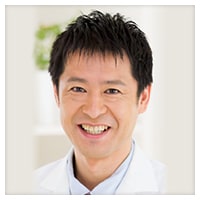
Hello, I am Dr. Ikeda of Tachikawa Clinic.
Throughout my career, including my work at university hospitals, I have focused on the treatment and research of lifestyle-related diseases such as hypertension, hyperlipidemia, and diabetes.
In particular, cardiac rehabilitation following treatment for heart disease has been one of my lifelong professional interests.
Restoring overall physical function is essential for improving quality of life and is also an important goal of the medical care we provide.
Through rehabilitation focused on functional recovery, I have worked not only to improve medical conditions but also to help prevent disease.
I believe the treatment philosophy pursued by Medical Japan shares much in common with the type of healthcare that we physicians aim to provide.
Maintaining good health means paying proper attention to nutrition, exercise, rest, and appropriate treatment.
I believe that maintaining an ongoing awareness of health in everyday life is essential for building a body that is less susceptible to illness.
One of Medical Japan’s strengths is that nationally licensed practitioners provide treatment tailored to each patient’s symptoms and condition while maintaining a strong commitment to contributing to the local community.
I also believe that blood-flow-restriction training is a field with future potential as a form of evidence-based rehabilitation training.
I believe the healthcare services provided by Medical Japan can support the health of people in the local community, and I am happy to recommend them.
*This statement reflects the individual opinion of the physician.
Located a 2-minute walk from the North Exit of Tachikawa Station. Open on Sundays. Services include internal medicine, cardiology, diabetes care, gastroenterology, allergy care, lifestyle-related disease management, vaccinations, travel medicine, smoking cessation, health checkups, and pediatric care.
Website: https://www.tachikawa-cl.com/
© Copyright (C) All Rights Reserved..