

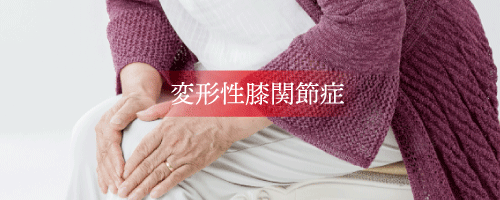
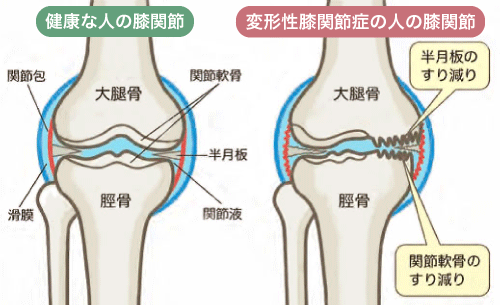
Knee osteoarthritis is a condition in which the cartilage that cushions the joint gradually wears down due to factors such as aging and reduced muscle strength, leading to pain. As the cartilage deteriorates, the space between the bones narrows, underlying bone may become exposed, bone spurs can form along the joint margins, and the joint may change shape.
The knee may experience forces equivalent to approximately 2.3 times body weight during everyday activities, making it particularly vulnerable to stress and injury. It is also one of the body’s most complex joints and plays a central role in movement.
As populations age, degenerative conditions become increasingly common. Osteoarthritis (OA) is among the conditions most frequently seen in orthopedic outpatient care.
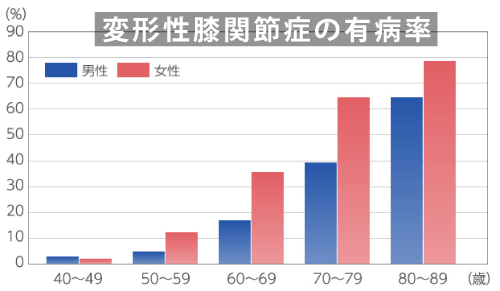
The reported male-to-female ratio is approximately 1:4. Women are more commonly affected, particularly women over 40 who are overweight.
Its prevalence is increasing. Some reports suggest that approximately 80% of people over 60 show some radiographic signs of osteoarthritis. Knee osteoarthritis is one of the most common forms, and as it progresses, pain while walking may substantially interfere with daily activities.
Knee osteoarthritis is classified as primary when there is no clearly identifiable cause and secondary when an underlying disease or injury is identified. Most cases are primary. Multiple risk factors contribute to its onset and progression.
Primary knee osteoarthritis develops in association with age-related degeneration of joint cartilage, with factors such as obesity also contributing. Secondary knee osteoarthritis can result from various causes, particularly previous injuries.
These factors are difficult to separate clearly, as they interact closely in the development of the condition.
Degeneration of joint cartilage, mechanical loading, and joint movement can contribute to structural changes and bone formation. Obesity, atherosclerosis, cartilage-degrading enzyme activity, and hormonal factors may also be involved.
The main symptoms of knee osteoarthritis are knee pain and swelling. Fluid may also accumulate within the joint (joint effusion).
Knee osteoarthritis generally develops over time, with symptoms gradually becoming more severe. Its progression can be described in three stages.
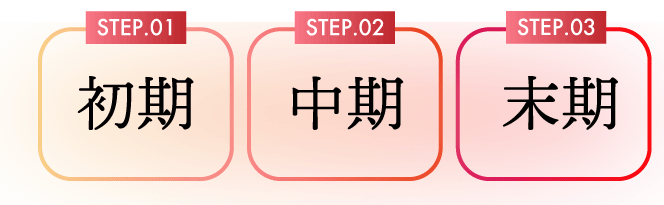
In the early stage, pain may occur when standing up or beginning to walk, but it usually subsides with rest.
In the middle stage, pain during movement becomes more frequent. Sitting on the heels, squatting, and using stairs may become difficult. Bending and straightening the knee can also become painful, and the range of motion may decrease.
In the advanced stage, the knee may no longer bend or fully straighten, making walking difficult and interfering with everyday life. Visible joint deformity and bow-legged alignment may also develop.
Knee symptoms can therefore worsen progressively. Stiffness, discomfort, or pain may be an early sign of knee osteoarthritis.
Diagnosis involves reviewing symptoms, examining the knee for tenderness, range of motion, swelling, or bow-legged alignment, and taking X-rays. MRI may be used when necessary.
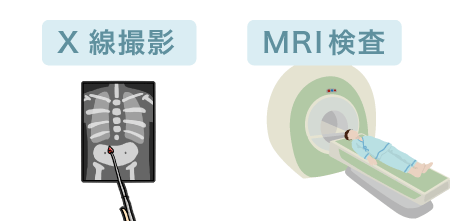
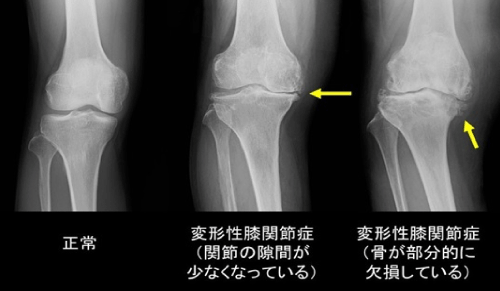
X-rays are used to assess the condition of the knee joint and are often taken while standing. Typical findings in knee osteoarthritis include subchondral sclerosis (hardening of bone beneath the cartilage), joint-space narrowing, and osteophytes (bone spurs).
Treatment aims to relieve pain, improve knee function, and maintain the ability to carry out daily activities. Treatments are broadly divided into conservative management and surgery. Conservative treatment is generally considered first, while surgery may be discussed if symptoms persist and significantly disrupt daily life.
Conservative treatment combines lifestyle guidance with exercise therapy, medication, and supportive devices as appropriate.
Avoiding physical activity because of knee pain can weaken supporting muscles and lead to weight gain. This can increase stress on the knee and worsen pain. Guidance therefore focuses on appropriate exercise, weight management, and dietary habits.
Exercise therapy strengthens the muscles surrounding the knee and helps reduce joint stress. It often focuses on the quadriceps, using exercises such as straight-leg raises (SLR).
Medications for knee osteoarthritis may include oral medications, topical treatments, and intra-articular injections.
Orthotic insoles, functional knee braces, knee supports, and walking canes may be used to reduce joint stress and improve stability.
Surgery may be considered when conservative treatment has not provided sufficient relief and daily activities remain impaired. Surgical options discussed for knee osteoarthritis include arthroscopic procedures, high tibial osteotomy, and knee replacement surgery.
The approach focuses on reducing inflammation and pain around the knee joint and promoting local circulation.
When tenderness or joint effusion is present, treatment may also aim to support fluid regulation.
Examples of Acupuncture Points: Liangqiu (ST34), Xuehai (SP10), Weizhong (BL40), Heding (EX-LE2), and medial and lateral knee points.
For joint effusion: moxibustion may be applied at Liangqiu (ST34), Xuehai (SP10), and the medial and lateral Xiyan points.


We look beyond the painful area of the knee to assess standing posture, walking patterns, and movements such as going up and down stairs. We evaluate knee, hip, and ankle motion along with overall body balance to tailor treatment to each patient.
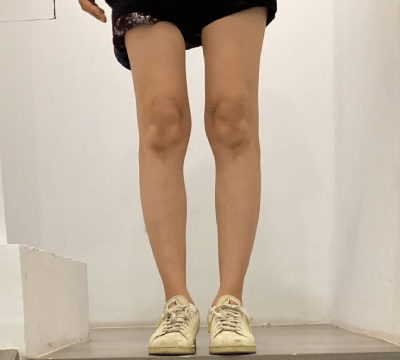
First, we examine knee position, lower-limb alignment, and weight distribution while the patient is standing. By assessing the relationship between the knees, hips, and ankles, we gain a broader understanding of whole-body balance.
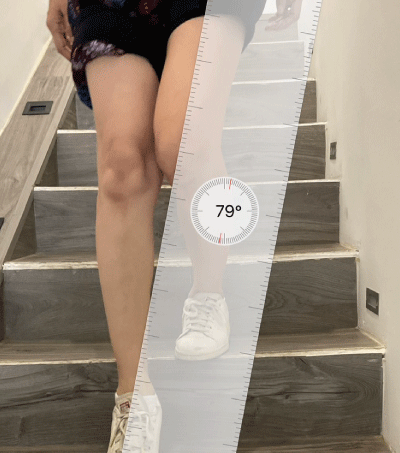
Next, we observe knee movement, lower-limb angles, and shifts in the center of gravity while descending stairs. Image-based measurements also help identify movement characteristics that may not be apparent while standing still.
Descending stairs requires not only knee flexion and extension but also coordinated control of the hips and ankles.
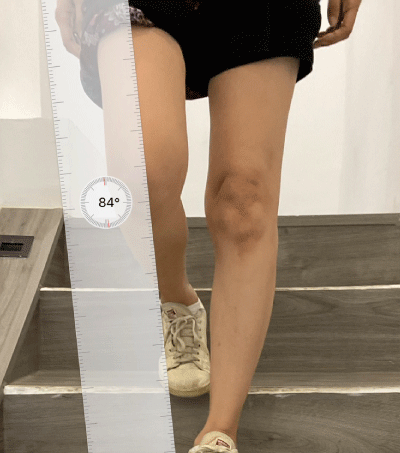
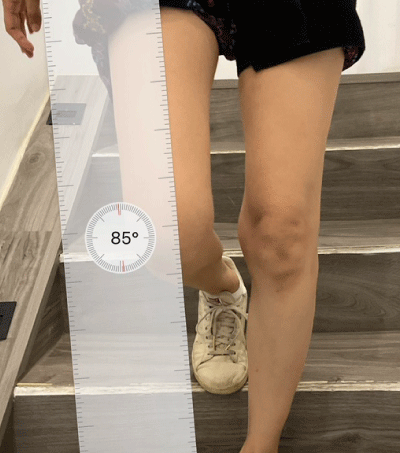
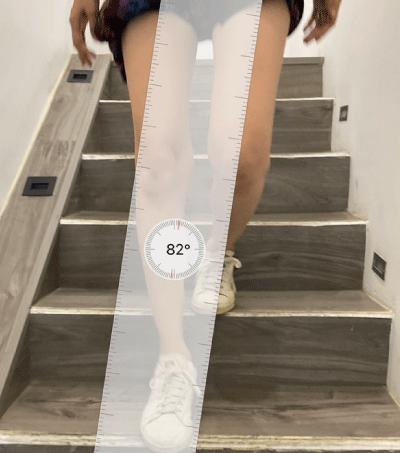
Based on the standing and movement assessments, we examine hip and knee mobility as well as the condition of the surrounding muscles while the patient is on the treatment table.
Knee pain may also be associated with muscle tension around the thighs and hips or with limited joint movement. We select treatment techniques according to the findings of each assessment.
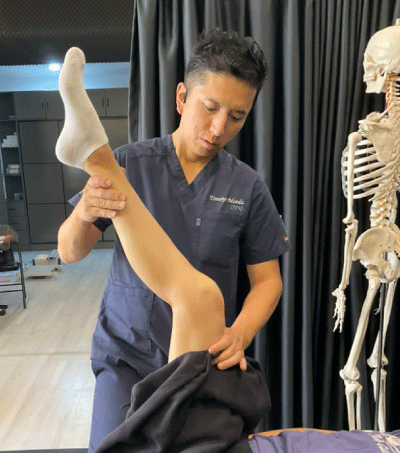
After treatment, we reassess standing, walking, and stair movements when appropriate. We identify changes and remaining challenges to help plan further treatment and exercise guidance.
We also provide individualized advice on everyday movement and exercises that can be performed at home.
For Those Experiencing Knee Pain
Our treatment considers movement and balance throughout the body, not only the knee joint. Please contact us if knee discomfort makes walking or using stairs difficult.
Symptoms and Characteristics
More common among middle-aged and older adults, especially women and people with obesity
Contributing factors include age-related cartilage degeneration, obesity, and increased meniscal loading associated with muscle weakness
Symptoms include pain, restricted range of motion, sideways instability, swelling, warmth, and joint crepitus
| Ultrasound | |||
|---|---|---|---|
| Duration | Frequency | Intensity | Duty Cycle |
| 5–10 minutes | 1&3MHz | 1.0~1.5W/cm2 | 100% |
| Tectron | ||||
|---|---|---|---|---|
| Mode | Output Level | Hammer | Interval | Polarity Switching |
| A | Approximately the motor threshold | OFF | OFF | 1 minute |
Treatment Notes
Position: Seated, with the knee slightly bent
Precaution: Direct ultrasound toward the knee joint
Electrode placement: Vastus lateralis (when pain is on the medial side)
Applicator placement: When pain is medial, secure the applicator on the inner side of the knee
If placing an electrode laterally does not change the pain, reposition it behind the knee.

The motor cortex helps control standing, walking, and running through coordination of muscles and joints. Movement retraining aims to improve muscle activation and timing so that the body can perform activities more smoothly and with fewer inefficient movement patterns, potentially reducing recurrence.
The aim is to relieve pain and restore comfortable daily activities. At Medical Japan, we apply rehabilitation principles to address contributing factors and support long-term function.
This approach focuses on muscles around the back of the knee, particularly the hamstrings and semimembranosus, and explains techniques intended to improve their flexibility and elasticity in patients with knee pain and deformity.
Avoid prolonged kneeling or sitting directly on your heels. Strengthening the quadriceps at the front of the thighs may also help. If cold temperatures make the knees feel stiff or uncomfortable, keeping them warm may provide relief. Weight management is also an important part of rehabilitation for people who are overweight.
We do more than provide massage.
We investigate why pain occurs, analyze walking mechanics, muscle weakness, and weight transfer, and select treatment suited to each patient.
To help prevent recurring problems, we also incorporate postural guidance and training techniques, including resistance-based exercises.
We provide personalized home exercises and guidance on sitting, standing, and walking. Consistently applying this guidance can support more comfortable movement and help patients work toward their goals.
Treatment options include surgical and conservative approaches. Here, we introduce the nonsurgical conservative care offered at our clinic.
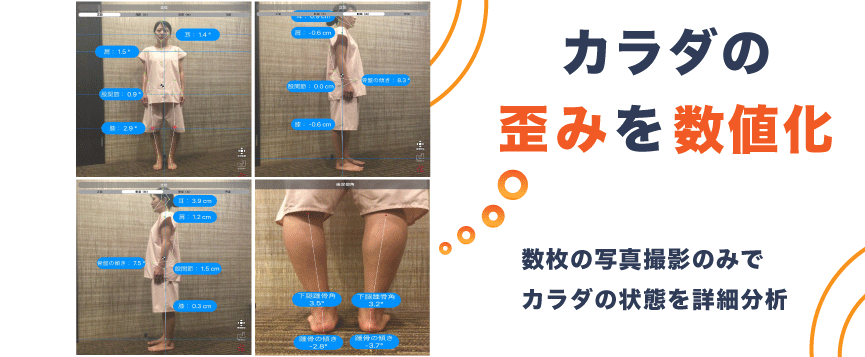
An analysis of current posture can help identify areas of muscle tightness, possible contributors to pain, and projected postural tendencies. It also helps us explain treatment plans and findings in a way patients can understand.
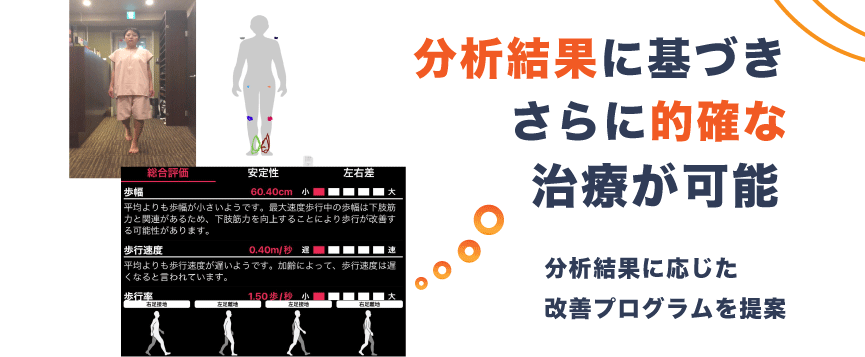
The assessment helps identify which muscles may benefit from relaxation and which may need strengthening. Understanding the body’s movement patterns allows us to provide more individualized treatment, exercises, and stretches.


We use specialized German foot-care equipment to gently remove the hard cores of corns and calluses while minimizing discomfort and avoiding unnecessary skin damage. Patients can walk immediately after treatment.
Thickened or uneven nails can also be carefully shaped and smoothed with specialized equipment.

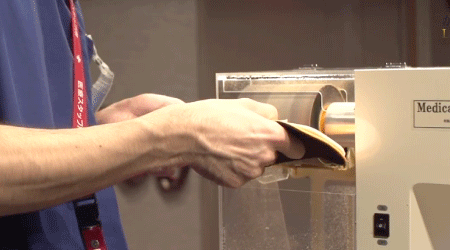
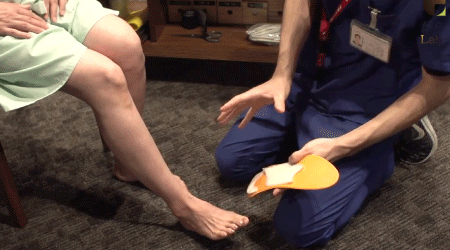
Measurements taken with the Myopressure gait-analysis system help us create insoles better suited to each person’s feet. Patients can see differences in weight distribution and foot movement during walking, providing useful information for gait guidance.
Well-fitted insoles support the foot arches and can help distribute weight more evenly. They may improve comfort during walking and help reduce fatigue and stress on muscles and ligaments.
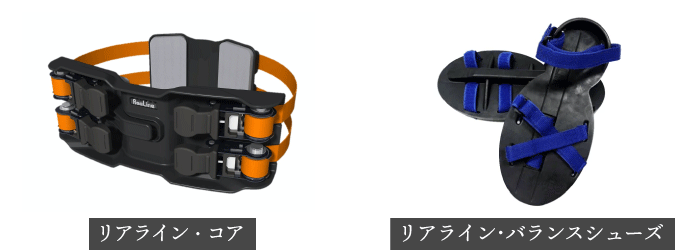
ReaLine Core is an exercise-assistance device designed to support alignment and movement control of the pelvis and rib cage. Asymmetry in these areas may affect spinal movement as well as shoulder, neck, and hip function.
Wearing ReaLine Core during approximately 10 minutes of simple exercises aims to improve awareness of pelvic and rib-cage alignment and help the body practice efficient spinal movement patterns.
© Copyright (C) All Rights Reserved..


