Do you have a specific set of questions from your patients that you'd like me to tackle?
Do you have a specific set of questions from your patients that you’d like me to tackle?
Your Guide to Healing at PAPC: Frequently Asked Questions
1. “I’ve never tried acupuncture. Does it hurt, and how does it actually work?”
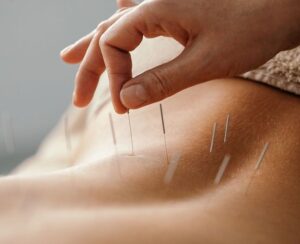
It’s perfectly natural to feel a bit of “needle nerves” before your first session! However, medical acupuncture needles are worlds apart from the needles used for vaccinations. They are hair-thin and flexible.
The Sensation: Most patients feel a tiny tap, followed by a sensation of heaviness, tingling, or a “dull ache” known as De Qi. This is actually a positive sign that your nervous system is responding.
The Science: Acupuncture isn’t “magic”—it’s biology. By stimulating specific points, we trigger the release of endorphins (your body’s natural painkillers) and improve local blood circulation. This tells your brain to stop the pain signal and start the repair process in the damaged tissue.
2. “Why does PAPC combine Acupuncture with Physical Therapy? Can’t I just choose one?”
While you can certainly choose one, our “Integrated Approach” is why our patients see faster, more sustainable results.
Acupuncture acts as the “Reset Button.” It reduces immediate inflammation, calms the nervous system, and manages pain levels so your body is ready to move.
Physical Therapy is the “Rebuild Phase.” Once the pain is lowered by acupuncture, our physical therapists work on your alignment, muscle strength, and flexibility to ensure the injury doesn’t return.
By treating both the symptom (pain) and the source (movement mechanics), we provide a complete circle of care.
3. “How many sessions will I need before I feel a ‘real’ difference?”
Every body is unique, but we generally categorize treatment into three phases:
Relief Care: For acute pain (like a sudden back spasm), many patients feel significant relief within 1–3 sessions.
Corrective Care: If you’ve had a desk-job-related neck issue for years, your body has “learned” a bad habit. It usually takes 6–10 sessions to retrain the muscles and nerves.
Maintenance: Just like going to the gym, periodic “tune-ups” (once a month) help prevent old injuries from flaring up.
4. “I work long hours at a desk in Phnom Penh. Can you help with my chronic neck and shoulder tension?”
This is one of the most common issues we see—often called “Office Syndrome.” Sitting for 8+ hours causes your chest muscles to tighten and your back muscles to overstretch and weaken. At PAPC, we don’t just massage the sore spot. We use:
Trigger Point Acupuncture to release those “knots” that feel like rocks in your shoulders.
Ergonomic Coaching to teach you how to set up your workspace in Phnom Penh so you aren’t fighting your chair every day.
Targeted Stretching to open up your posture and breathe easier.
5. “How should I prepare for my first visit to the clinic?”
To get the most out of your time with our specialists, we recommend the following:
What to Wear: Loose, comfortable clothing. We often need to access your knees, elbows, or back, so athletic wear is perfect.
Don’t Come Hungry: Have a light snack about an hour before your appointment. You want your body to have the energy to process the treatment.
Bring Your History: If you have recent X-rays, MRIs, or a list of current medications, please bring them. The more we know about your “internal map,” the better we can treat you.