

Are you between the ages of 45 and 55 and suddenly feeling stiff, achy, or “creaky”? You are not alone.
Many women assume that new joint pain is an inevitable sign of aging or arthritis. However, for women in perimenopause or menopause, the culprit might not be “wear and tear”—it might be your hormones.
At PAPC, we often see patients who are unsure whether they need orthopedic care or hormonal support. The good news is that distinguishing between Menopausal Arthralgia (hormone-related pain) and Osteoarthritis (structural wear) is the first step toward relief—and we treat both.
Are your aching joints caused by menopause or arthritis? Learn the key differences and how acupuncture and physical therapy can help relieve pain.
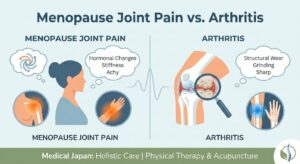
Estrogen is a natural anti-inflammatory agent. It keeps your cartilage “plump” and hydrated. When estrogen levels drop during menopause:
Dehydration: Tissues lose fluid, making tendons and ligaments feel tight and dry.
Inflammation: Without estrogen to regulate it, low-grade inflammation can settle in your joints.
Pain Sensitivity: Your perception of pain may increase due to nervous system changes.
This is different from Osteoarthritis, which is the physical wearing down of the cartilage cushion between your bones.
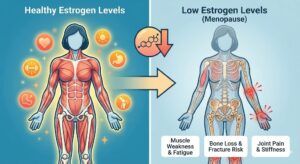
1. When does it hurt?
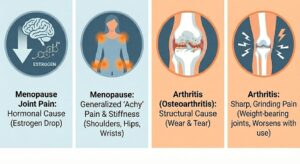
Menopause: You feel stiff in the morning (“Tin Man” syndrome), but it usually loosens up within 15–30 minutes of moving.
Arthritis: The pain often gets worse the more you use the joint.
2. Where does it hurt?
Menopause: Often affects the shoulders (Frozen Shoulder), hips, and wrists. The pain can feel like it “moves” around the body.
Arthritis: Usually hits weight-bearing joints like the knees, lower back, or the base of the thumb.
3. What does it feel like?
Menopause: A dull ache, burning sensation, or general stiffness.
Arthritis: A grinding, sharp, or deep “toothache” pain inside the joint.
Whether your pain is hormonal or structural, “toughing it out” is not the answer. As specialists in Physical Therapy, Acupuncture, and Massage, we approach your recovery holistically:
Acupuncture: We use specific points to balance the autonomic nervous system and help regulate hormonal fluctuations (a specialized approach often used in our Japan and Cambodia clinics).
Massage Therapy: Improves blood flow to dehydrated tissues and releases muscle tension caused by stress and fatigue.
Gentle Mobilization: We guide you through low-impact movements to restore fluid to the joints without stressing them.
Rehabilitation (Physical Therapy): We design strengthening programs to build the muscles around the joint, taking the pressure off your bones.
Joint Alignment: Manual therapy to ensure your joints are moving correctly to prevent further wear and tear.
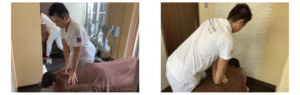
Muscles are formed by thousands of muscle fibers, similar to hair or strings. Rubbing them indiscriminately can cause damage, leading to increased fatigue and restricted movement. Our medical massage, performed by certified professionals, involves precise techniques, including pressure, finger placement, and depth targeting. This massage also affects the fascia, which is rich in sensory receptors surrounding muscle fibers, leaving you feeling lighter after treatment.
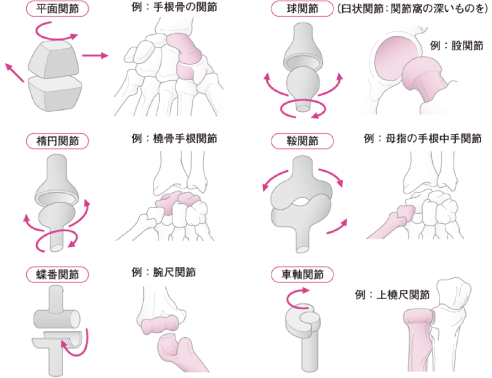
A joint is the part that connects bones, and there are various types and shapes.
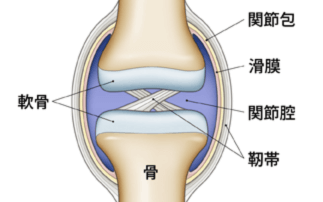
The burden on joints during menopause is believed to be caused by the synovial membrane. The synovial membrane covers the joints and contains synovial fluid.
We incorporate a technique called mobilization in our treatments.
Mobilization involves targeting the joint surface, which helps in the approach to synovial fluid and synovial membranes, making it one of the most evidence-backed manual therapies with numerous published studies.
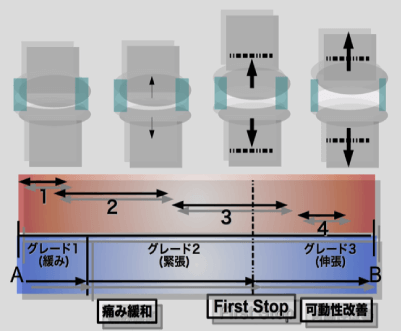
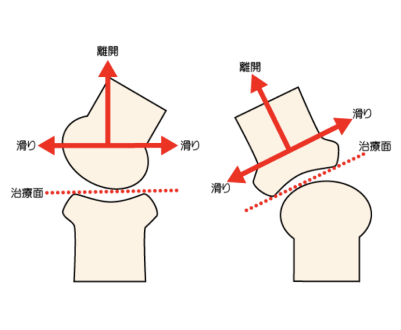
This technique targets painful joints with moderate strength (grade 3) to facilitate joint movement without causing friction on the joint surfaces. This method is highly effective and widely used in rehabilitation settings.
Humans live under the influence of gravity. Poor posture requires more muscle strength in daily activities and work.
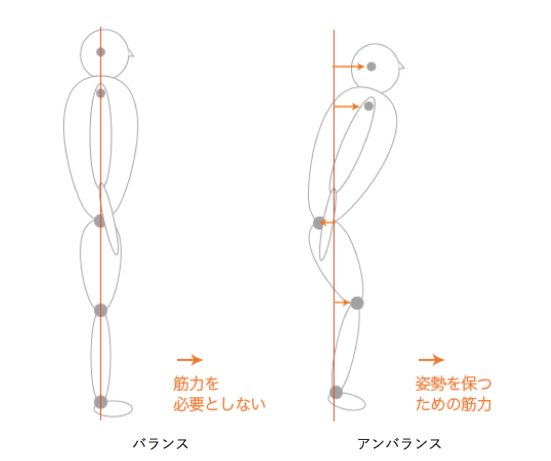
A misaligned body creates tension, leading to fatigue and pain, shallow breathing, and slower metabolism, which can result in various discomforts and potentially chronic illnesses.
Bone misalignment is caused by muscle tension, and poor posture, when maintained over time, can lead to a vicious cycle of misalignment.
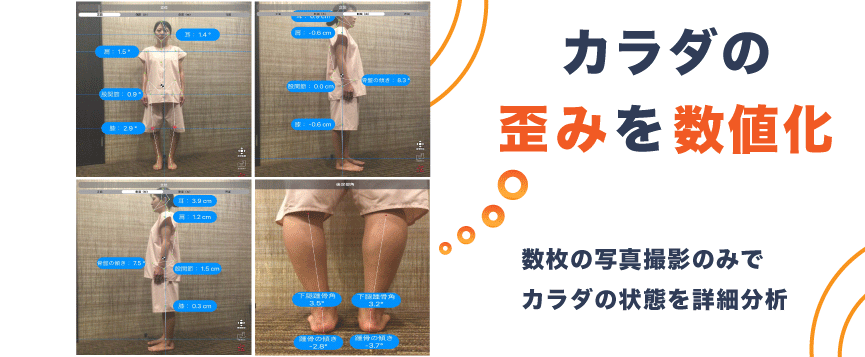
Using current posture data, we can estimate areas where muscles may become tense or cause pain, predict future postures, and explain treatment plans and effects more clearly. Patients also gain a better understanding of their own body condition.
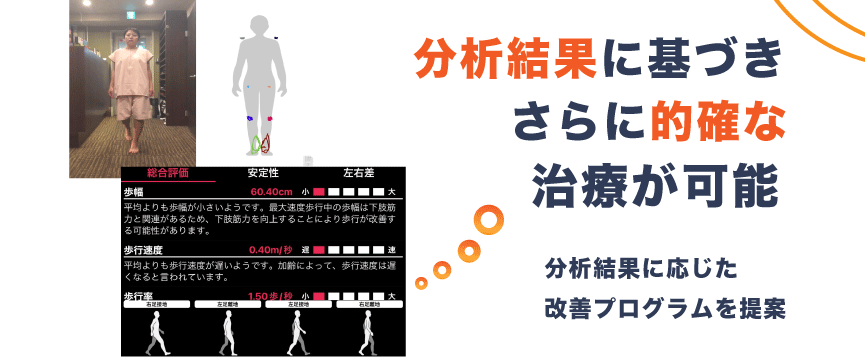
We have implemented a motion capture posture evaluation system, allowing us to accurately identify and visualize the causes of pain. This approach helps streamline treatment and accelerates recovery.
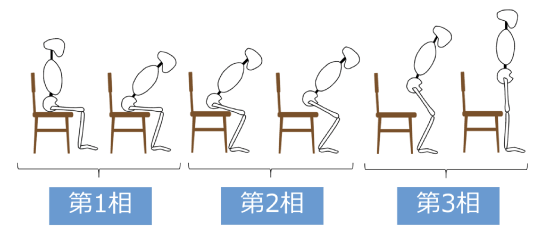
(Posture) is the static state, while (movement) is the dynamic expression of it. In other words, posture equals movement, with the difference being the way stress is applied.
The Next Step
You don’t have to live with pain. If you are experiencing stiffness, swelling, or limited range of motion, let us help you find the root cause.
For Patients in Cambodia (PAPC) & Japan: We offer comprehensive diagnostics combining Eastern and Western medical perspectives.
[Button: Book a Consultation]
Telegram: +855 87 809 435
© Copyright (C) All Rights Reserved..